Blue_Lightsaber
Well-Known Member
- Joined
- 3 Feb 2022
- Messages
- 4,676
- Team supported
- Man City
Sometimes an image is worth a 1000 words:
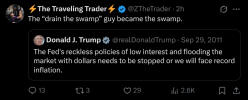

Inevitable. The more people get, the more they want more. It’s our greatest flaw as a species.We got greedier and greedier as time went by.
The gift that keeps on giving. Topical at this time of year.
A time and a place far different from today
100% right!It’s important for the benefit of the nation that certain resources are owned by the nation, utilities, transport infrastructure, communications, sufficient housing, hospitals.
Did Nationalization work? Ever?I think for many people in the political centre, like me, there’s an increasing view that many more industries should be state owned and operated because capitalism is no longer working as it once was.
Oh, I can think of a few others that might compete with greed.Inevitable. The more people get, the more they want more. It’s our greatest flaw as a species.
Holidays Are Comin' - love that Coke ad
Essential services should not be in the hands of private companies, IMO. If the consumer cannot do without a product, they are hostage to the market, and the market is effectively a monopoly in the case of the provision of water, utilities, and transport.Did Nationalization work? Ever?
Serious questions.
I’m sorry, but I just don’t see capitalism as the cause of British problems, political or economic. Attitudes play a much greater part, imho.
By ‘work’ presumably you mean ‘work better than in private hands’. The answer to that question is yes.Did Nationalization work? Ever?
Privatization is always about the bottom line, so they will put as little in as possible to maximise profits for shareholders, just look at the water industry, no reservoirs built and we could have zero water problems and lower prices of over the last 30/40 years they had invested in it, yet non of us can switch provider, it’s a disgrace.By ‘work’ presumably you mean ‘work better than in private hands’. The answer to that question is yes.
Do you think that the provision of fire safety, the police or the military should be in private hands? Because unless your answer is ‘yes’ then you do support state ownership of certain industries. Which means you must accept some industries work better in state hands.
Did Nationalization work? Ever?
Serious questions.
I’m sorry, but I just don’t see capitalism as the cause of British problems, political or economic. Attitudes play a much greater part, imho.
Essential services should not be in the hands of private companies, IMO. If the consumer cannot do without a product, they are hostage to the market, and the market is effectively a monopoly in the case of the provision of water, utilities, and transport.
It is about attitudes though, you are correct. If a company is willing to pump raw sewage in to seas and rivers that is an attitude that hasn't been caused by capitalism, but it is allowed to flourish under that model. They have to accept that the company doing it makes billions of pounds in profit and releases billions in profits to shareholders while doing it. They cannot switch to another provider. They cannot vote that company out of office.
Will that change under a nationalised model - we do not know, but it seems certain that the attitude will.
Privatization is always about the bottom line, so they will put as little in as possible to maximise profits for shareholders, just look at the water industry, no reservoirs built and we could have zero water problems and lower prices of over the last 30/40 years they had invested in it, yet non of us can switch provider, it’s a disgrace.
Along with killing animals and people for absolutely no reason.Inevitable. The more people get, the more they want more. It’s our greatest flaw as a species.
If you consider police, fire and the military as “industries,” then I can only suggest we will never see eye to eye. Exactly what “product” are we buying and where do we go to “buy” it?By ‘work’ presumably you mean ‘work better than in private hands’. The answer to that question is yes.
Do you think that the provision of fire safety, the police or the military should be in private hands? Because unless your answer is ‘yes’ then you do support state ownership of certain industries. Which means you must accept some industries work better in state hands.