
You are using an out of date browser. It may not display this or other websites correctly.
You should upgrade or use an alternative browser.
You should upgrade or use an alternative browser.
The Album Review Club - Week #196 (page 1316) - Aja - Steely Dan
- Thread starter RobMCFC
- Start date
OB1
Well-Known Member
You never know,might enjoy it.
Millions do.
RobMCFC
Well-Known Member
Incredibly, this album is not one of the Rush albums in that Larkin list, given that many fans and observers would rank it as their best. I do not necessarily think it is their finest album and it would not quite rank as my personal favourite of their studio offerings;
If I get invited to do more of these, the next will not be much of a surprise but after that I will probably choose something less obvious than a record by one of my absolute favourite bands. Cos I love Rush, which is why they top the list of bands I have seen the most in concert and the 40th Anniversary version comes with a full live show from 198?. I don’t intend to ask anyone to listen to that, but you should if you like the studio album.
I was struggling to choose what to review next, but the deciding factor was that, slightly belatedly, Rush recently issued a 40th Anniversary version of their 1981 album Moving Pictures and I took that as a sign.
Moving Pictures is an apt title for the record, given the images that it conjures us so majestically. It kicks-off in impressive fashion with perhaps the band’s best known and most loved song: Tom Sawyer.
The track was inspired by the famous Mark Twain novel and features lyrics that were a co-written by drummer Neil Peart and quirky Canadian poet Pye Dubois, who often collaborated with fellow Maple Leaf rockers Max Webster. Peart took Dubois’ poem “Louie the Lawyer” and produced a slightly autobiographical set of deeply philosophical words about personal independence and free thinking. Musically, the song is relatively short but still complex, featuring more time changes than Pep Guardiola makes formation changes in a match. It springs into life with a burst of synthesiser and a distinctive hard-hitting four on the floor drumbeat. The “main” instrumental section commences with Geddy Lee’s memorable synth line, melds into Alex’s face melting guitar solo and crashes out with the most air drummed break in the history of Rock and Roll (sorry Phil).
As much of an FM favourite as it is, Tom Sawyer is not for me the best song on the album: that honour belongs to track two, a widescreen mini epic by the name of Red Barchetta.
Introduced by Alex Lifeson’s guitar harmonics, the song starts with a gentle wistful air, suggesting a bucolic calm, but soon goes through the gears like Charles Le Clerc exiting La Rascasse, racing along on an adrenaline surge of turbo charged riffage. This is musical equivalent of a Disney roller-coaster. Inspired by Richard S. Foster’s short story “A Nice Morning Drive” this is a cinematic experience, a perfect fusion of words and music that creates moving pictures in your mind as the futuristic tale comes vividly to life.
Musical mastery is to the fore in YYZ, an instrumental piece inspired by the transmitter code for Toronto's Lester B. Pearson International Airport. The composition uses the morse code for YYZ as a motif and features phenomenal bass playing from Geddy that has more twists and turns than Snake Pass.
Side 1 ends with Limelight, a fairly straight-forward radio friendly rock track about Peart’s difficulties dealing with the glare of stardom into which the band had been thrust. It neatly borrows from Shakespeare’s play “As You Like It” with the lines:
All the world’s indeed a stage
And we are merely players
Performers and portrayers
and nods back to Rush’s utterly brilliant first live album (All the World’s A Stage).
Throughout the album, guitarist Alex Lifeson is in superb form but his solo in Limelight is a highlight as he wrings out every ounce of emotion from his whammy bar to produce a sense of isolation befitting of the songs’ theme – it’s his favourite solo to perform live.
Side 2’s lead off is the last track Rush recorded that was over 10 minutes duration, although it doesn’t feel long and musically has quite a sharp focus. The song has two halves lyrically, which are Peart’s musings about walking around two great cities (albeit not the greatest City): New York and London. Again, he paints beautiful pictures – I always imagine these to be in black and white. Rush left the song out of their setlist for nearly three decades, during which it was often the most requested song for the band to perform.
The sounds of a screaming mob usher in the highly produced track that is Witch Hunt. The rest of the album was put together to be played live but this number even featured the band’s album cover artist Hugh Syme on synthesiser and a host of overdubs. Part III of the Fear trilogy of songs, produced out of sequence across three albums, this is a dark number with a grinding heavy riff that has lyrics of enduring relevance and handles issues that go beyond folk in black pointy hats.
Peart’s commentary on technospeak, Vital Signs closes the album on a more uplifting note and signals what is to come sonically on the group’s next three releases as they deviate from their norm with a Police-like intro and a mix of poppy rock and reggae lite.
And that’s it, seven tightly constructed, superbly produced tracks that have garnered multiple accolades over the past forty years.
P.S. The 40th Anniversary version comes with a full live show from 1981. I don’t intend to ask anyone to listen to that, but highly recommended if you like the studio album.
Nice choice and write-up. I'm familiar with the album (I should be, given that Rush are in my Top 10 artists) but I only listened to the full album as recently as two or three years ago! Bonkers I know, but there you go.
Anyway, I'll save all the details for my review.
journolud
Well-Known Member
I do have one Rush album in Permanent Waves. Like 10cc who’ve just gone and only have one album of I’ve never really felt I needed to explore the back catalogue but this is a good opportunity to do so. Train journey back up north from London tomorrow will give me first chance to listen.
Saddleworth2
Well-Known Member
Incredibly, this album is not one of the Rush albums in that Larkin list, given that many fans and observers would rank it as their best. I do not necessarily think it is their finest album and it would not quite rank as my personal favourite of their studio offerings;
If I get invited to do more of these, the next will not be much of a surprise but after that I will probably choose something less obvious than a record by one of my absolute favourite bands. Cos I love Rush, which is why they top the list of bands I have seen the most in concert and the 40th Anniversary version comes with a full live show from 198?. I don’t intend to ask anyone to listen to that, but you should if you like the studio album.
I was struggling to choose what to review next, but the deciding factor was that, slightly belatedly, Rush recently issued a 40th Anniversary version of their 1981 album Moving Pictures and I took that as a sign.
Moving Pictures is an apt title for the record, given the images that it conjures us so majestically. It kicks-off in impressive fashion with perhaps the band’s best known and most loved song: Tom Sawyer.
The track was inspired by the famous Mark Twain novel and features lyrics that were a co-written by drummer Neil Peart and quirky Canadian poet Pye Dubois, who often collaborated with fellow Maple Leaf rockers Max Webster. Peart took Dubois’ poem “Louie the Lawyer” and produced a slightly autobiographical set of deeply philosophical words about personal independence and free thinking. Musically, the song is relatively short but still complex, featuring more time changes than Pep Guardiola makes formation changes in a match. It springs into life with a burst of synthesiser and a distinctive hard-hitting four on the floor drumbeat. The “main” instrumental section commences with Geddy Lee’s memorable synth line, melds into Alex’s face melting guitar solo and crashes out with the most air drummed break in the history of Rock and Roll (sorry Phil).
As much of an FM favourite as it is, Tom Sawyer is not for me the best song on the album: that honour belongs to track two, a widescreen mini epic by the name of Red Barchetta.
Introduced by Alex Lifeson’s guitar harmonics, the song starts with a gentle wistful air, suggesting a bucolic calm, but soon goes through the gears like Charles Le Clerc exiting La Rascasse, racing along on an adrenaline surge of turbo charged riffage. This is musical equivalent of a Disney roller-coaster. Inspired by Richard S. Foster’s short story “A Nice Morning Drive” this is a cinematic experience, a perfect fusion of words and music that creates moving pictures in your mind as the futuristic tale comes vividly to life.
Musical mastery is to the fore in YYZ, an instrumental piece inspired by the transmitter code for Toronto's Lester B. Pearson International Airport. The composition uses the morse code for YYZ as a motif and features phenomenal bass playing from Geddy that has more twists and turns than Snake Pass.
Side 1 ends with Limelight, a fairly straight-forward radio friendly rock track about Peart’s difficulties dealing with the glare of stardom into which the band had been thrust. It neatly borrows from Shakespeare’s play “As You Like It” with the lines:
All the world’s indeed a stage
And we are merely players
Performers and portrayers
and nods back to Rush’s utterly brilliant first live album (All the World’s A Stage).
Throughout the album, guitarist Alex Lifeson is in superb form but his solo in Limelight is a highlight as he wrings out every ounce of emotion from his whammy bar to produce a sense of isolation befitting of the songs’ theme – it’s his favourite solo to perform live.
Side 2’s lead off is the last track Rush recorded that was over 10 minutes duration, although it doesn’t feel long and musically has quite a sharp focus. The song has two halves lyrically, which are Peart’s musings about walking around two great cities (albeit not the greatest City): New York and London. Again, he paints beautiful pictures – I always imagine these to be in black and white. Rush left the song out of their setlist for nearly three decades, during which it was often the most requested song for the band to perform.
The sounds of a screaming mob usher in the highly produced track that is Witch Hunt. The rest of the album was put together to be played live but this number even featured the band’s album cover artist Hugh Syme on synthesiser and a host of overdubs. Part III of the Fear trilogy of songs, produced out of sequence across three albums, this is a dark number with a grinding heavy riff that has lyrics of enduring relevance and handles issues that go beyond folk in black pointy hats.
Peart’s commentary on technospeak, Vital Signs closes the album on a more uplifting note and signals what is to come sonically on the group’s next three releases as they deviate from their norm with a Police-like intro and a mix of poppy rock and reggae lite.
And that’s it, seven tightly constructed, superbly produced tracks that have garnered multiple accolades over the past forty years.
P.S. The 40th Anniversary version comes with a full live show from 1981. I don’t intend to ask anyone to listen to that, but highly recommended if you like the studio album.
Not obvious at all. :-)
They are not on my list of prejudices so I’m looking forward to listening. Great review btw.
RobMCFC
Well-Known Member
Whilst everybody [looks forward to/grimaces and prepares to listen to] Rush, I have an apology to make to @Saddleworth2.
I was away this weekend and thought that I'd collected and tabled all the scores when I was trawling through the pages, but on double-checking, it seems that I'd missed a 9. This makes a massive difference, with 10cc scoring 16 votes at an average of 6.88. With this corrected score, Mr Saddleworth blasts his way into the top 3.
I update the table on page #1 every week, but let's take a look at the top 10 here:-
I was away this weekend and thought that I'd collected and tabled all the scores when I was trawling through the pages, but on double-checking, it seems that I'd missed a 9. This makes a massive difference, with 10cc scoring 16 votes at an average of 6.88. With this corrected score, Mr Saddleworth blasts his way into the top 3.
I update the table on page #1 every week, but let's take a look at the top 10 here:-
| Pos | Nominator | Week # | Album | Artist | Year | #Votes | Average |
| 1 | OB1 | 5 | Physical Graffiti | Led Zeppelin | 1975 | 19 | 7.47 |
| 2 | RobMCFC | 1 | The Lonesome Jubilee | John Cougar Mellencamp | 1987 | 19 | 7.05 |
| 3 | Saddleworth2 | 35 | 10cc | 10cc | 1973 | 16 | 6.88 |
| 4 | FogBlueInSanFran | 2 | Let It Be | The Replacements | 1984 | 14 | 6.86 |
| 5 | BlueHammer85 | 3 | The Masterplan | Oasis | 1998 | 18 | 6.81 |
| 6 | Mancitydoogle | 14 | Southeastern | Jason Isbell | 2013 | 10 | 6.80 |
| 7 | Bill Walker | 24 | Bare Wires | John Mayall's Bluesbreakers | 1968 | 10 | 6.80 |
| 8 | Saddleworth2 | 4 | Before The Dawn | Kate Bush | 2014 | 14 | 6.79 |
| 9 | Marklr | 8 | Foxtrot | Genesis | 1972 | 20 | 6.75 |
| 10 | Onholiday(somemightsay) | 7 | Rage Against The Machine | Rage Against The Machine | 1992 | 22 | 6.68 |
BlueHammer85
Well-Known Member
- Joined
- 13 Oct 2010
- Messages
- 40,963
Only feels like we had Rush not so long ago, mentioned at the time be interested in hearing their other stuff... so here we go!
FogBlueInSanFran
Well-Known Member
Can I lower my rating on 10cc so that they don't go above The Replacements? :)Whilst everybody [looks forward to/grimaces and prepares to listen to] Rush, I have an apology to make to @Saddleworth2.
I was away this weekend and thought that I'd collected and tabled all the scores when I was trawling through the pages, but on double-checking, it seems that I'd missed a 9. This makes a massive difference, with 10cc scoring 16 votes at an average of 6.88. With this corrected score, Mr Saddleworth blasts his way into the top 3.
I update the table on page #1 every week, but let's take a look at the top 10 here:-
Pos Nominator Week # Album Artist Year #Votes Average 1 OB1 5 Physical Graffiti Led Zeppelin 1975 19 7.47 2 RobMCFC 1 The Lonesome Jubilee John Cougar Mellencamp 1987 19 7.05 3 Saddleworth2 35 10cc 10cc 1973 16 6.88 4 FogBlueInSanFran 2 Let It Be The Replacements 1984 14 6.86 5 BlueHammer85 3 The Masterplan Oasis 1998 18 6.81 6 Mancitydoogle 14 Southeastern Jason Isbell 2013 10 6.80 7 Bill Walker 24 Bare Wires John Mayall's Bluesbreakers 1968 10 6.80 8 Saddleworth2 4 Before The Dawn Kate Bush 2014 14 6.79 9 Marklr 8 Foxtrot Genesis 1972 20 6.75 10 Onholiday(somemightsay) 7 Rage Against The Machine Rage Against The Machine 1992 22 6.68
BimboBob
Well-Known Member
Never got into Rush, no idea why, as technically they are brilliant. Maybe that's it...still, happy to give them a proper go. I have a farewell to Kings in my vinyl collection, bought it to give them a go, don't remember being much of a fan...
Let's see what happens!
Let's see what happens!
Great choice and great review OB1!
I saw Rush on the Exit... Stage Left tour in 1981, which I think was effectively the UK tour for Moving Pictures. At the time, many Rush fans (at least most of the ones I knew!) were claiming that they had sold out, firstly with Permanent Waves and subsequently with Moving Pictures. Well, what a difference a few decades make, with the latter arguably being their best and most revered album, even when compared to 2112 and the appearance of the legendary Starman!
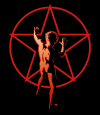
I still marvel at how 3 band members could produce such a wall of sound and, in particular, how Geddy Lee managed to combine both bass and keyboards when playing live, to such great effect.
So, my wife and I are now being treated to the full high resolution (and very loud!) experience of one of the greatest rock albums of all time. That's my view and not hers, she hates Rush with a passion, so it will be interesting to see how this album will be judged! What I will say is that, after Permanent Waves, this is probably their most approachable album!
An easy 10 from me.
I saw Rush on the Exit... Stage Left tour in 1981, which I think was effectively the UK tour for Moving Pictures. At the time, many Rush fans (at least most of the ones I knew!) were claiming that they had sold out, firstly with Permanent Waves and subsequently with Moving Pictures. Well, what a difference a few decades make, with the latter arguably being their best and most revered album, even when compared to 2112 and the appearance of the legendary Starman!
I still marvel at how 3 band members could produce such a wall of sound and, in particular, how Geddy Lee managed to combine both bass and keyboards when playing live, to such great effect.
So, my wife and I are now being treated to the full high resolution (and very loud!) experience of one of the greatest rock albums of all time. That's my view and not hers, she hates Rush with a passion, so it will be interesting to see how this album will be judged! What I will say is that, after Permanent Waves, this is probably their most approachable album!
An easy 10 from me.
FogBlueInSanFran
Well-Known Member
Rush is the most pretentious band that has ever existed, and I write this knowing full well that Emerson, Lake & Palmer were also once a band. Even worse, Rush drummer Neil Peart was an Ayn Rand fan, which should be an instant disqualifier for a rock musician.
Each Rush band member either independently or collectively decided that demonstration of dominant mastery over his instrument was the primary goal for creating music, rather than having important, funny or even interesting things to say about the state of the world or other people. I often wonder whether they never wrote love songs because no women would get within 20 feet of them before they got rich; certainly, no women like Rush and no women like Rush fans.
At the time of Moving Pictures, and of Permanent Waves that came before it, Rush was belatedly realizing that fewer and fewer humans were interested in 23-minute long epic songs about a Dungeons and Dragons character. Or a spaceship. Or a Dungeons and Dragons character piloting a spaceship. Into a black hole. I refer you all to “Cygnus X-1 Book II” -- nice title, you fucking geeks -- on side one of Hemispheres, which actually also IS the entirety OF side one of Hemispheres.
Even the nerds dwelling in the nerdery which was any concert hall in which Rush took up residency were starting to get a little bored, if not confused.
As such, to retain some level of popularity as disco and punk began to pound away at either edges of rock music, in the late 70s and early 80s, Rush embarked upon yet another epic journey: one of minimizing time signature changes to only once or twice per song, instead of 27, and cutting down compositions to 11 minutes or fewer. Permanent Waves was their first go, and an uneven one, but Moving Pictures perfected the transition from musical uber-dork-dom to whatever what they thought ”new wave” was.
This transition is as ham-handed as it is misguided.
Side one kicks off with “Tom Sawyer”, AKA the Song That All Drummers Say Is Very Difficult To Play, and if familiar with Rush’s earlier work, one is suddenly struck by the fact that the lyrics bear no resemblance to the sci fi and fantasy schlock of old Rush nor the insipid deep philosophy of new Rush (e.g. from Waves: “I will choooo-se . . . {dramatic pause} . . . freeeeewill”!). This is good until you look at the liner notes and learn Neil Peart didn’t write the lyrics, but some friend of his did, which is why they are not terrible.
Next comes “Red Barchetta”, an interesting song about a time when cars are banned, nearly ruined by Geddy Lee’s castrato vocals in which it appears his testicles disappear up his scrotum, into his abdomen and gradually make their way out his body entirely. Seriously, this is as close as a man has come to imitating the frequency of a dog whistle. “YYZ” follows, and is an instrumental about Toronto’s airport (I guess), blessed in that Geddy Lee’s high-octave shriek is nowhere to be heard.
And then there’s “Limelight”, a song that carries with it probably my greatest pet peeve of any in popular music -- millionaire rock stars incessantly bitching and moaning about how tough life is on the road. Nothing is preventing you from becoming Steely Dan, fellows -- just hide in the studio and collect your checks.
Side two begins with “The Camera Eye”, a song with some poetic observations about New York and London (Wait. What happened to how much they hate the road???) in which it seems the big reveal is that New York is busy and London has fog. Well, then.
Next comes “Witch Hunt” (subtitled “Part III of Fear”, which is odd given that Parts II and I come on later records by the way, and, yeah, the Roman numerals means This Is Important) which appears to reach the brilliant conclusion that ignorance and prejudice and fear are connected in some way. I am pleased we have Rush to point out this nuanced and unexplored perspective.
Finally we have “Vital Signs”, which is a particularly unusual closer, largely because hearing three white Canadians trying to perform reggae is equal parts sad and hilarious, especially when classic lines about one love and jammin’ and joints being smoked in the morning are replaced by lines about “feverish flux” and “reverse polarity”, whatever the fuck these mean.
Despite all of this, there still remains a singular, nagging, impenetrable problem about Rush and Moving Pictures.
And here it is:
While I honestly believe that (almost) everything I wrote above is true . . . this is one of my top six favo(u)rite records of all time.
It’s a record I cherish; a record I know every single note and word to; a record I still play air drums, guitar and bass to in my 50s(!); a record that reminds me of how blissful youth was; a record that still amazes me with the virtuosity and dexterity of the players no matter the lyrics, the vocals, the song length or the lack of theme.
The best way to put it?
This is the record I lost my aural virginity to. It was my very first “favo(u)rite” record.
And you never forget your first.
I know I can’t ever, ever quit it. I’ll always be hopelessly, desperately in love with it.
God fucking dammit.
10/10.
Each Rush band member either independently or collectively decided that demonstration of dominant mastery over his instrument was the primary goal for creating music, rather than having important, funny or even interesting things to say about the state of the world or other people. I often wonder whether they never wrote love songs because no women would get within 20 feet of them before they got rich; certainly, no women like Rush and no women like Rush fans.
At the time of Moving Pictures, and of Permanent Waves that came before it, Rush was belatedly realizing that fewer and fewer humans were interested in 23-minute long epic songs about a Dungeons and Dragons character. Or a spaceship. Or a Dungeons and Dragons character piloting a spaceship. Into a black hole. I refer you all to “Cygnus X-1 Book II” -- nice title, you fucking geeks -- on side one of Hemispheres, which actually also IS the entirety OF side one of Hemispheres.
Even the nerds dwelling in the nerdery which was any concert hall in which Rush took up residency were starting to get a little bored, if not confused.
As such, to retain some level of popularity as disco and punk began to pound away at either edges of rock music, in the late 70s and early 80s, Rush embarked upon yet another epic journey: one of minimizing time signature changes to only once or twice per song, instead of 27, and cutting down compositions to 11 minutes or fewer. Permanent Waves was their first go, and an uneven one, but Moving Pictures perfected the transition from musical uber-dork-dom to whatever what they thought ”new wave” was.
This transition is as ham-handed as it is misguided.
Side one kicks off with “Tom Sawyer”, AKA the Song That All Drummers Say Is Very Difficult To Play, and if familiar with Rush’s earlier work, one is suddenly struck by the fact that the lyrics bear no resemblance to the sci fi and fantasy schlock of old Rush nor the insipid deep philosophy of new Rush (e.g. from Waves: “I will choooo-se . . . {dramatic pause} . . . freeeeewill”!). This is good until you look at the liner notes and learn Neil Peart didn’t write the lyrics, but some friend of his did, which is why they are not terrible.
Next comes “Red Barchetta”, an interesting song about a time when cars are banned, nearly ruined by Geddy Lee’s castrato vocals in which it appears his testicles disappear up his scrotum, into his abdomen and gradually make their way out his body entirely. Seriously, this is as close as a man has come to imitating the frequency of a dog whistle. “YYZ” follows, and is an instrumental about Toronto’s airport (I guess), blessed in that Geddy Lee’s high-octave shriek is nowhere to be heard.
And then there’s “Limelight”, a song that carries with it probably my greatest pet peeve of any in popular music -- millionaire rock stars incessantly bitching and moaning about how tough life is on the road. Nothing is preventing you from becoming Steely Dan, fellows -- just hide in the studio and collect your checks.
Side two begins with “The Camera Eye”, a song with some poetic observations about New York and London (Wait. What happened to how much they hate the road???) in which it seems the big reveal is that New York is busy and London has fog. Well, then.
Next comes “Witch Hunt” (subtitled “Part III of Fear”, which is odd given that Parts II and I come on later records by the way, and, yeah, the Roman numerals means This Is Important) which appears to reach the brilliant conclusion that ignorance and prejudice and fear are connected in some way. I am pleased we have Rush to point out this nuanced and unexplored perspective.
Finally we have “Vital Signs”, which is a particularly unusual closer, largely because hearing three white Canadians trying to perform reggae is equal parts sad and hilarious, especially when classic lines about one love and jammin’ and joints being smoked in the morning are replaced by lines about “feverish flux” and “reverse polarity”, whatever the fuck these mean.
Despite all of this, there still remains a singular, nagging, impenetrable problem about Rush and Moving Pictures.
And here it is:
While I honestly believe that (almost) everything I wrote above is true . . . this is one of my top six favo(u)rite records of all time.
It’s a record I cherish; a record I know every single note and word to; a record I still play air drums, guitar and bass to in my 50s(!); a record that reminds me of how blissful youth was; a record that still amazes me with the virtuosity and dexterity of the players no matter the lyrics, the vocals, the song length or the lack of theme.
The best way to put it?
This is the record I lost my aural virginity to. It was my very first “favo(u)rite” record.
And you never forget your first.
I know I can’t ever, ever quit it. I’ll always be hopelessly, desperately in love with it.
God fucking dammit.
10/10.
Last edited:
OB1
Well-Known Member
Never got into Rush, no idea why, as technically they are brilliant. Maybe that's it...still, happy to give them a proper go. I have a farewell to Kings in my vinyl collection, bought it to give them a go, don't remember being much of a fan...
Let's see what happens!
It is, in the grand scheme of things, a genuine progression from Farewell to Kings, which I love, in many ways.
OB1
Well-Known Member
Rush is the most pretentious band that has ever existed, and I write this knowing full well that Emerson, Lake & Palmer were also once a band. Even worse, Rush drummer Neil Peart was an Ayn Rand fan, which should be an instant disqualifier for a rock musician.
Each Rush band member either independently or collectively decided that demonstration of dominant mastery over his instrument was the primary goal for creating music, rather than having important, funny or even interesting things to say about the state of the world or other people. I often wonder whether they never wrote love songs because no women would get within 20 feet of them before they got rich; certainly, no women like Rush and no women like Rush fans.
At the time of Moving Pictures, and of Permanent Waves that came before it, Rush was belatedly realizing that fewer and fewer humans were interested in 23-minute long epic songs about a Dungeons and Dragons character. Or a spaceship. Or a Dungeons and Dragons character piloting a spaceship. Into a black hole. I refer you all to “Cygnus X-1 Book II” -- nice title, you fucking geeks -- on side one of Hemispheres, which actually also IS the entirety OF side one of Hemispheres.
Even the nerds dwelling in the nerdery which was any concert hall in which Rush took up residency were starting to get a little bored, if not confused.
As such, to retain some level of popularity as disco and punk began to pound away at either edges of rock music, in the late 70s and early 80s, Rush embarked upon yet another epic journey: one of minimizing time signature changes to only once or twice per song, instead of 27, and cutting down compositions to 11 minutes or fewer. Permanent Waves was their first go, and an uneven one, but Moving Pictures perfected the transition from musical uber-dork-dom to whatever what they thought ”new wave” was.
This transition is as ham-handed as it is misguided.
Side one kicks off with “Tom Sawyer”, AKA the Song That All Drummers Say Is Very Difficult To Play, and if familiar with Rush’s earlier work, one is suddenly struck by the fact that the lyrics bear no resemblance to the sci fi and fantasy schlock of old Rush nor the insipid deep philosophy of new Rush (e.g. from Waves: “I will choooo-se . . . {dramatic pause} . . . freeeeewill”!). This is good until you look at the liner notes and learn Neil Peart didn’t write the lyrics, but some friend of his did, which is why they are not terrible.
Next comes “Red Barchetta”, an interesting song about a time when cars are banned, nearly ruined by Geddy Lee’s castrato vocals in which it appears his testicles disappear up his scrotum, into his abdomen and gradually make their way out his body entirely. Seriously, this is as close as a man has come to imitating the frequency of a dog whistle. “YYZ” follows, and is an instrumental about Toronto’s airport (I guess), blessed in that Geddy Lee’s high-octave shriek is nowhere to be heard.
And then there’s “Limelight”, a song that carries with it probably my greatest pet peeve of any in popular music -- millionaire rock stars incessantly bitching and moaning about how tough life is on the road. Nothing is preventing you from becoming Steely Dan, fellows -- just hide in the studio and collect your checks.
Side two begins with “The Camera Eye”, a song with some poetic observations about New York and London (Wait. What happened to how much they hate the road???) in which it seems the big reveal is that New York is busy and London has fog. Well, then.
Next comes “Witch Hunt” (subtitled “Part III of Fear”, which is odd given that Parts II and I come on later records by the way, and, yeah, the Roman numerals means This Is Important) which appears to reach the brilliant conclusion that ignorance and prejudice and fear are connected in some way. I am pleased we have Rush to point out this nuanced and unexplored perspective.
Finally we have “Vital Signs”, which is a particularly unusual closer, largely because hearing three white Canadians trying to perform reggae is equal parts sad and hilarious, especially when classic lines about one love and jammin’ and joints being smoked in the morning are replaced by lines about “feverish flux” and “reverse polarity”, whatever the fuck these mean.
Despite all of this, there still remains a singular, nagging, impenetrable problem about Rush and Moving Pictures.
And here it is:
While I honestly believe that (almost) everything I wrote above is true . . . this is one of my top six favo(u)rite records of all time.
It’s a record I cherish; a record I know every single note and word to; a record I still play air drums, guitar and bass to in my 50s(!); a record that reminds me of how blissful youth was; a record that still amazes me with the virtuosity and dexterity of the players no matter the lyrics, the vocals, the song length or the lack of theme.
The best way to put it?
This is the record I lost my aural virginity to. It was my very first “favo(u)rite” record.
And you never forget your first.
I know I can’t ever, ever quit it. I’ll always be hopelessly, desperately in love with it.
God fucking dammit.
10/10.
Said with feeling. I almost got emotional.
I knew a girl who liked Rush by the way.
RobMCFC
Well-Known Member
That's why we like music! Sometimes it can't be explained.Rush is the most pretentious band that has ever existed, and I write this knowing full well that Emerson, Lake & Palmer were also once a band. Even worse, Rush drummer Neil Peart was an Ayn Rand fan, which should be an instant disqualifier for a rock musician.
Each Rush band member either independently or collectively decided that demonstration of dominant mastery over his instrument was the primary goal for creating music, rather than having important, funny or even interesting things to say about the state of the world or other people. I often wonder whether they never wrote love songs because no women would get within 20 feet of them before they got rich; certainly, no women like Rush and no women like Rush fans.
At the time of Moving Pictures, and of Permanent Waves that came before it, Rush was belatedly realizing that fewer and fewer humans were interested in 23-minute long epic songs about a Dungeons and Dragons character. Or a spaceship. Or a Dungeons and Dragons character piloting a spaceship. Into a black hole. I refer you all to “Cygnus X-1 Book II” -- nice title, you fucking geeks -- on side one of Hemispheres, which actually also IS the entirety OF side one of Hemispheres.
Even the nerds dwelling in the nerdery which was any concert hall in which Rush took up residency were starting to get a little bored, if not confused.
As such, to retain some level of popularity as disco and punk began to pound away at either edges of rock music, in the late 70s and early 80s, Rush embarked upon yet another epic journey: one of minimizing time signature changes to only once or twice per song, instead of 27, and cutting down compositions to 11 minutes or fewer. Permanent Waves was their first go, and an uneven one, but Moving Pictures perfected the transition from musical uber-dork-dom to whatever what they thought ”new wave” was.
This transition is as ham-handed as it is misguided.
Side one kicks off with “Tom Sawyer”, AKA the Song That All Drummers Say Is Very Difficult To Play, and if familiar with Rush’s earlier work, one is suddenly struck by the fact that the lyrics bear no resemblance to the sci fi and fantasy schlock of old Rush nor the insipid deep philosophy of new Rush (e.g. from Waves: “I will choooo-se . . . {dramatic pause} . . . freeeeewill”!). This is good until you look at the liner notes and learn Neil Peart didn’t write the lyrics, but some friend of his did, which is why they are not terrible.
Next comes “Red Barchetta”, an interesting song about a time when cars are banned, nearly ruined by Geddy Lee’s castrato vocals in which it appears his testicles disappear up his scrotum, into his abdomen and gradually make their way out his body entirely. Seriously, this is as close as a man has come to imitating the frequency of a dog whistle. “YYZ” follows, and is an instrumental about Toronto’s airport (I guess), blessed in that Geddy Lee’s high-octave shriek is nowhere to be heard.
And then there’s “Limelight”, a song that carries with it probably my greatest pet peeve of any in popular music -- millionaire rock stars incessantly bitching and moaning about how tough life is on the road. Nothing is preventing you from becoming Steely Dan, fellows -- just hide in the studio and collect your checks.
Side two begins with “The Camera Eye”, a song with some poetic observations about New York and London (Wait. What happened to how much they hate the road???) in which it seems the big reveal is that New York is busy and London has fog. Well, then.
Next comes “Witch Hunt” (subtitled “Part III of Fear”, which is odd given that Parts II and I come on later records by the way, and, yeah, the Roman numerals means This Is Important) which appears to reach the brilliant conclusion that ignorance and prejudice and fear are connected in some way. I am pleased we have Rush to point out this nuanced and unexplored perspective.
Finally we have “Vital Signs”, which is a particularly unusual closer, largely because hearing three white Canadians trying to perform reggae is equal parts sad and hilarious, especially when classic lines about one love and jammin’ and joints being smoked in the morning are replaced by lines about “feverish flux” and “reverse polarity”, whatever the fuck these mean.
Despite all of this, there still remains a singular, nagging, impenetrable problem about Rush and Moving Pictures.
And here it is:
While I honestly believe that (almost) everything I wrote above is true . . . this is one of my top six favo(u)rite records of all time.
It’s a record I cherish; a record I know every single note and word to; a record I still play air drums, guitar and bass to in my 50s(!); a record that reminds me of how blissful youth was; a record that still amazes me with the virtuosity and dexterity of the players no matter the lyrics, the vocals, the song length or the lack of theme.
The best way to put it?
This is the record I lost my aural virginity to. It was my very first “favo(u)rite” record.
And you never forget your first.
I know I can’t ever, ever quit it. I’ll always be hopelessly, desperately in love with it.
God fucking dammit.
10/10.
Anyway, how come you are always careful to write favo(u)rite but you just ploughed on with the ugly looking "checks"? It's cheques over here!
I suppose che(ck/que)s would end up looking like some weird mathematical expression. Maybe Rush could even write a song about it.
journolud
Well-Known Member
Isn’t it cheating copy and pasting from Wikipedia? ;-)Rush is the most pretentious band that has ever existed, and I write this knowing full well that Emerson, Lake & Palmer were also once a band. Even worse, Rush drummer Neil Peart was an Ayn Rand fan, which should be an instant disqualifier for a rock musician.
Each Rush band member either independently or collectively decided that demonstration of dominant mastery over his instrument was the primary goal for creating music, rather than having important, funny or even interesting things to say about the state of the world or other people. I often wonder whether they never wrote love songs because no women would get within 20 feet of them before they got rich; certainly, no women like Rush and no women like Rush fans.
At the time of Moving Pictures, and of Permanent Waves that came before it, Rush was belatedly realizing that fewer and fewer humans were interested in 23-minute long epic songs about a Dungeons and Dragons character. Or a spaceship. Or a Dungeons and Dragons character piloting a spaceship. Into a black hole. I refer you all to “Cygnus X-1 Book II” -- nice title, you fucking geeks -- on side one of Hemispheres, which actually also IS the entirety OF side one of Hemispheres.
Even the nerds dwelling in the nerdery which was any concert hall in which Rush took up residency were starting to get a little bored, if not confused.
As such, to retain some level of popularity as disco and punk began to pound away at either edges of rock music, in the late 70s and early 80s, Rush embarked upon yet another epic journey: one of minimizing time signature changes to only once or twice per song, instead of 27, and cutting down compositions to 11 minutes or fewer. Permanent Waves was their first go, and an uneven one, but Moving Pictures perfected the transition from musical uber-dork-dom to whatever what they thought ”new wave” was.
This transition is as ham-handed as it is misguided.
Side one kicks off with “Tom Sawyer”, AKA the Song That All Drummers Say Is Very Difficult To Play, and if familiar with Rush’s earlier work, one is suddenly struck by the fact that the lyrics bear no resemblance to the sci fi and fantasy schlock of old Rush nor the insipid deep philosophy of new Rush (e.g. from Waves: “I will choooo-se . . . {dramatic pause} . . . freeeeewill”!). This is good until you look at the liner notes and learn Neil Peart didn’t write the lyrics, but some friend of his did, which is why they are not terrible.
Next comes “Red Barchetta”, an interesting song about a time when cars are banned, nearly ruined by Geddy Lee’s castrato vocals in which it appears his testicles disappear up his scrotum, into his abdomen and gradually make their way out his body entirely. Seriously, this is as close as a man has come to imitating the frequency of a dog whistle. “YYZ” follows, and is an instrumental about Toronto’s airport (I guess), blessed in that Geddy Lee’s high-octave shriek is nowhere to be heard.
And then there’s “Limelight”, a song that carries with it probably my greatest pet peeve of any in popular music -- millionaire rock stars incessantly bitching and moaning about how tough life is on the road. Nothing is preventing you from becoming Steely Dan, fellows -- just hide in the studio and collect your checks.
Side two begins with “The Camera Eye”, a song with some poetic observations about New York and London (Wait. What happened to how much they hate the road???) in which it seems the big reveal is that New York is busy and London has fog. Well, then.
Next comes “Witch Hunt” (subtitled “Part III of Fear”, which is odd given that Parts II and I come on later records by the way, and, yeah, the Roman numerals means This Is Important) which appears to reach the brilliant conclusion that ignorance and prejudice and fear are connected in some way. I am pleased we have Rush to point out this nuanced and unexplored perspective.
Finally we have “Vital Signs”, which is a particularly unusual closer, largely because hearing three white Canadians trying to perform reggae is equal parts sad and hilarious, especially when classic lines about one love and jammin’ and joints being smoked in the morning are replaced by lines about “feverish flux” and “reverse polarity”, whatever the fuck these mean.
Despite all of this, there still remains a singular, nagging, impenetrable problem about Rush and Moving Pictures.
And here it is:
While I honestly believe that (almost) everything I wrote above is true . . . this is one of my top six favo(u)rite records of all time.
It’s a record I cherish; a record I know every single note and word to; a record I still play air drums, guitar and bass to in my 50s(!); a record that reminds me of how blissful youth was; a record that still amazes me with the virtuosity and dexterity of the players no matter the lyrics, the vocals, the song length or the lack of theme.
The best way to put it?
This is the record I lost my aural virginity to. It was my very first “favo(u)rite” record.
And you never forget your first.
I know I can’t ever, ever quit it. I’ll always be hopelessly, desperately in love with it.
God fucking dammit.
10/10.
Hayley Croppers chopper
Well-Known Member
Great albumIsn’t it cheating copy and pasting from Wikipedia? ;-)
BlueHammer85
Well-Known Member
- Joined
- 13 Oct 2010
- Messages
- 40,963
Rush is the most pretentious band that has ever existed, and I write this knowing full well that Emerson, Lake & Palmer were also once a band. Even worse, Rush drummer Neil Peart was an Ayn Rand fan, which should be an instant disqualifier for a rock musician.
Each Rush band member either independently or collectively decided that demonstration of dominant mastery over his instrument was the primary goal for creating music, rather than having important, funny or even interesting things to say about the state of the world or other people. I often wonder whether they never wrote love songs because no women would get within 20 feet of them before they got rich; certainly, no women like Rush and no women like Rush fans.
At the time of Moving Pictures, and of Permanent Waves that came before it, Rush was belatedly realizing that fewer and fewer humans were interested in 23-minute long epic songs about a Dungeons and Dragons character. Or a spaceship. Or a Dungeons and Dragons character piloting a spaceship. Into a black hole. I refer you all to “Cygnus X-1 Book II” -- nice title, you fucking geeks -- on side one of Hemispheres, which actually also IS the entirety OF side one of Hemispheres.
Even the nerds dwelling in the nerdery which was any concert hall in which Rush took up residency were starting to get a little bored, if not confused.
As such, to retain some level of popularity as disco and punk began to pound away at either edges of rock music, in the late 70s and early 80s, Rush embarked upon yet another epic journey: one of minimizing time signature changes to only once or twice per song, instead of 27, and cutting down compositions to 11 minutes or fewer. Permanent Waves was their first go, and an uneven one, but Moving Pictures perfected the transition from musical uber-dork-dom to whatever what they thought ”new wave” was.
This transition is as ham-handed as it is misguided.
Side one kicks off with “Tom Sawyer”, AKA the Song That All Drummers Say Is Very Difficult To Play, and if familiar with Rush’s earlier work, one is suddenly struck by the fact that the lyrics bear no resemblance to the sci fi and fantasy schlock of old Rush nor the insipid deep philosophy of new Rush (e.g. from Waves: “I will choooo-se . . . {dramatic pause} . . . freeeeewill”!). This is good until you look at the liner notes and learn Neil Peart didn’t write the lyrics, but some friend of his did, which is why they are not terrible.
Next comes “Red Barchetta”, an interesting song about a time when cars are banned, nearly ruined by Geddy Lee’s castrato vocals in which it appears his testicles disappear up his scrotum, into his abdomen and gradually make their way out his body entirely. Seriously, this is as close as a man has come to imitating the frequency of a dog whistle. “YYZ” follows, and is an instrumental about Toronto’s airport (I guess), blessed in that Geddy Lee’s high-octave shriek is nowhere to be heard.
And then there’s “Limelight”, a song that carries with it probably my greatest pet peeve of any in popular music -- millionaire rock stars incessantly bitching and moaning about how tough life is on the road. Nothing is preventing you from becoming Steely Dan, fellows -- just hide in the studio and collect your checks.
Side two begins with “The Camera Eye”, a song with some poetic observations about New York and London (Wait. What happened to how much they hate the road???) in which it seems the big reveal is that New York is busy and London has fog. Well, then.
Next comes “Witch Hunt” (subtitled “Part III of Fear”, which is odd given that Parts II and I come on later records by the way, and, yeah, the Roman numerals means This Is Important) which appears to reach the brilliant conclusion that ignorance and prejudice and fear are connected in some way. I am pleased we have Rush to point out this nuanced and unexplored perspective.
Finally we have “Vital Signs”, which is a particularly unusual closer, largely because hearing three white Canadians trying to perform reggae is equal parts sad and hilarious, especially when classic lines about one love and jammin’ and joints being smoked in the morning are replaced by lines about “feverish flux” and “reverse polarity”, whatever the fuck these mean.
Despite all of this, there still remains a singular, nagging, impenetrable problem about Rush and Moving Pictures.
And here it is:
While I honestly believe that (almost) everything I wrote above is true . . . this is one of my top six favo(u)rite records of all time.
It’s a record I cherish; a record I know every single note and word to; a record I still play air drums, guitar and bass to in my 50s(!); a record that reminds me of how blissful youth was; a record that still amazes me with the virtuosity and dexterity of the players no matter the lyrics, the vocals, the song length or the lack of theme.
The best way to put it?
This is the record I lost my aural virginity to. It was my very first “favo(u)rite” record.
And you never forget your first.
I know I can’t ever, ever quit it. I’ll always be hopelessly, desperately in love with it.
God fucking dammit.
10/10.
10/10 for this review
GoatersLeftShin
Well-Known Member
- Joined
- 3 Jan 2019
- Messages
- 1,992
- Team supported
- MCFC
I love prog rock as I love the way it takes in influences from classical music, jazz, whatever and combines it with rock to create some truly phenomenal songs. For me, Yes are probably the finest band in prog with Genesis a close second. Either way, both bands are perfectly capable of playing with the best musicians on the planet but they create incredibly melodic songs. Their songs are brilliant pop songs first, but the detail within them is up there with anyone. I do think that the really, really clever part of any pop song, or album, is writing something that's catchy. If you can make catchy songs that are technically brilliant, you're onto a winner.
Anyway, onto this album. All I can really say is that I just don't get Rush at all. I've tried a few times to listen to their albums and it leaves me stone cold I'm afraid. They are clearly technically brilliant at what they do but in all honesty, it sounds so technical that they forgot to think about writing a song. It's not catchy, it's deadly serious music. Foggy talks about humour in music and I think I know what he means when I listens to this. It's just too serious for me! :)
Each track on the album is a showcase for how good they are at playing their instruments. Don't get me wrong, they are clearly incredible at what they do and I can totally understand why they are popular. I see them as a 'musicians band' in some ways. However, great music is more than the ability to play an instrument well. It has nothing in it with stuck with me, there was nothing catchy and nothing I can really remember as wanting to go back to. The album just comes across soul-less for me, technically brilliant but ice cold. Compare this to the best of Yes, Genesis etc and it's chalk and cheese.
The production on it though is superb, it sounds perfect. I did think that I can imagine this album would sound amazing on an expensive hi-fi separates system. I can easily imagine this album is used by Richer Sounds or similar to demo their systems!
I'm sorry, but Rush just isn't for me. I don't want to give this album a low score because it's clearly not bad - the musicians are incredible, but it lacks melody and 'soul' for me. That said, through these threads I've listened to 2 Rush albums and another 1 on Spotify and I'm glad I have done, but I don't think I'm missing anything. As I've always said, I'd rather listen to something new than something I already know!
It's a 4/10 for me.
Anyway, onto this album. All I can really say is that I just don't get Rush at all. I've tried a few times to listen to their albums and it leaves me stone cold I'm afraid. They are clearly technically brilliant at what they do but in all honesty, it sounds so technical that they forgot to think about writing a song. It's not catchy, it's deadly serious music. Foggy talks about humour in music and I think I know what he means when I listens to this. It's just too serious for me! :)
Each track on the album is a showcase for how good they are at playing their instruments. Don't get me wrong, they are clearly incredible at what they do and I can totally understand why they are popular. I see them as a 'musicians band' in some ways. However, great music is more than the ability to play an instrument well. It has nothing in it with stuck with me, there was nothing catchy and nothing I can really remember as wanting to go back to. The album just comes across soul-less for me, technically brilliant but ice cold. Compare this to the best of Yes, Genesis etc and it's chalk and cheese.
The production on it though is superb, it sounds perfect. I did think that I can imagine this album would sound amazing on an expensive hi-fi separates system. I can easily imagine this album is used by Richer Sounds or similar to demo their systems!
I'm sorry, but Rush just isn't for me. I don't want to give this album a low score because it's clearly not bad - the musicians are incredible, but it lacks melody and 'soul' for me. That said, through these threads I've listened to 2 Rush albums and another 1 on Spotify and I'm glad I have done, but I don't think I'm missing anything. As I've always said, I'd rather listen to something new than something I already know!
It's a 4/10 for me.
Bill Walker
Well-Known Member
I know, I know. I really dislike Rush. I don't know why.I am going to have a great time writing this review and expect to take a wholly unconventional approach because if there's one thing I understand, it's why some people absolutely detest Rush.
mancity2012_eamo
Well-Known Member
No. They’ve been replaced.Can I lower my rating on 10cc so that they don't go above The Replacements? :)