
RobMCFC
Well-Known Member
A few years ago, I wrote a blog post about Chris Whitley’s Living With The Law album. As part of this article, I explored the time that Daniel Lanois set up shop in New Orleans. As part of my first nomination for 1989, I’ve edited the article to focus on the important aspects for this year.
Daniel Lanois, Bob Dylan & Oh Mercy
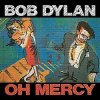
As noted in the 1987 write-up, Daniel Lanois was just beginning a purple patch in his career. As part of his production of U2’s The Joshua Tree, Lanois established a pattern of recording in a house rather than a traditional studio.
After producing Robbie Robertson’s self-titled 1987 album, Robertson suggested that Lanois might enjoy the history and culture of New Orleans. Lanois promptly moved to an apartment in the French Quarter and began writing and recording some songs. Lanois’s associate, Malcolm Burn, was tasked with archiving tapes that Lanois was amassing during his recording sessions.
Whilst in New Orleans, the two Canadians went to see a Neville Brothers show, the result of which was that Lanois was asked to produce their Yellow Moon album (also 1989, and yet another gem that I haven’t got room to feature in my nominations). Lanois challenged his engineer, Manchester-born but Canada-raised Mark Howard, to find a place suitable for recording, and he found a six-story apartment that they ended up using. Lanois lived on the top floor, Howard and Malcom Burn on other floors and the studio was on the top floor. Whilst the recording sessions were taking place, Bob Dylan’s tour reached New Orleans. Dylan called in for a chat and Lanois offered to set up a house to record Dylan’s next album, Oh Mercy. Lanois selected a house on Soniat St. that Dylan also lived in whilst recording the album.
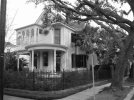
Over the course of what Daniel Lanois refers to as his New Orleans trilogy (Yellow Moon, Oh Mercy and his solo album, Acadie – all released in 1989), a way of living, working and recording was established. Lanois was the producer, Malcolm Burn explains that Mark Howard was “more in charge of setting up the gear and plugging in the wires” whilst he himself was “behind the mixing board and adding parts as a musician”. Lanois recalls that whilst recording Oh Mercy, “Bob was suspicious of any work done in the daytime; only night-time work was allowed”. This contributed to the atmosphere of the album and you can hear this on “Man In The Long Black Coat”.
“Man In The Long Black Coat” - Bob Dylan
Daniel Lanois, Bob Dylan & Oh Mercy
As noted in the 1987 write-up, Daniel Lanois was just beginning a purple patch in his career. As part of his production of U2’s The Joshua Tree, Lanois established a pattern of recording in a house rather than a traditional studio.
After producing Robbie Robertson’s self-titled 1987 album, Robertson suggested that Lanois might enjoy the history and culture of New Orleans. Lanois promptly moved to an apartment in the French Quarter and began writing and recording some songs. Lanois’s associate, Malcolm Burn, was tasked with archiving tapes that Lanois was amassing during his recording sessions.
Whilst in New Orleans, the two Canadians went to see a Neville Brothers show, the result of which was that Lanois was asked to produce their Yellow Moon album (also 1989, and yet another gem that I haven’t got room to feature in my nominations). Lanois challenged his engineer, Manchester-born but Canada-raised Mark Howard, to find a place suitable for recording, and he found a six-story apartment that they ended up using. Lanois lived on the top floor, Howard and Malcom Burn on other floors and the studio was on the top floor. Whilst the recording sessions were taking place, Bob Dylan’s tour reached New Orleans. Dylan called in for a chat and Lanois offered to set up a house to record Dylan’s next album, Oh Mercy. Lanois selected a house on Soniat St. that Dylan also lived in whilst recording the album.
Over the course of what Daniel Lanois refers to as his New Orleans trilogy (Yellow Moon, Oh Mercy and his solo album, Acadie – all released in 1989), a way of living, working and recording was established. Lanois was the producer, Malcolm Burn explains that Mark Howard was “more in charge of setting up the gear and plugging in the wires” whilst he himself was “behind the mixing board and adding parts as a musician”. Lanois recalls that whilst recording Oh Mercy, “Bob was suspicious of any work done in the daytime; only night-time work was allowed”. This contributed to the atmosphere of the album and you can hear this on “Man In The Long Black Coat”.
“Man In The Long Black Coat” - Bob Dylan