C is not incorrect. I’m not talking about WTO terms, I’m talking about the actual terms the EU has with (eg) Canada, South Korea, Japan. Most recent EU trade agreements feature MFN clauses.
This link contains the following quote:
http://blogs.sussex.ac.uk/uktpo/pub...greements-one-more-hurdle-for-uk-negotiators/
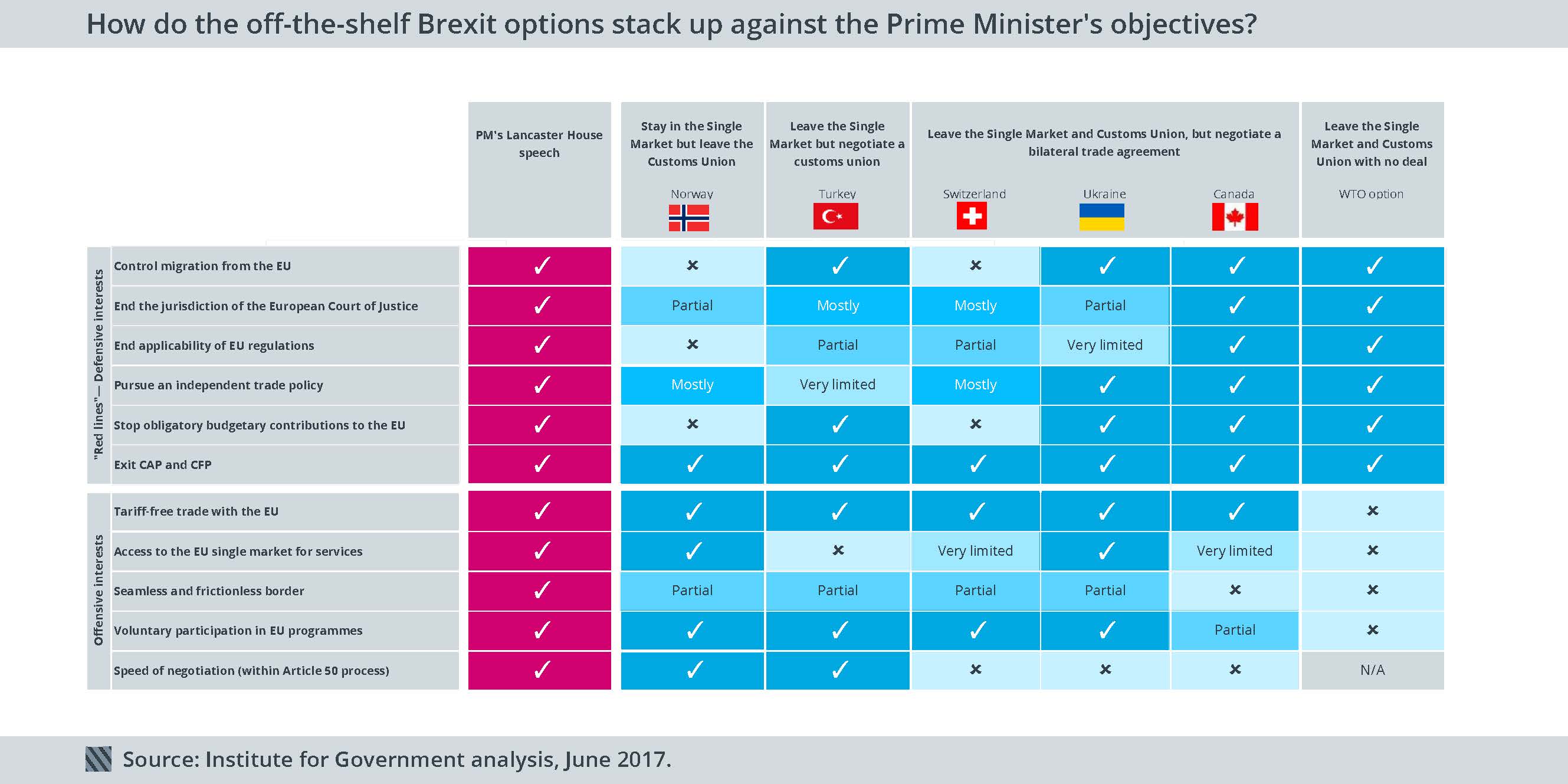
“The EU typically liberalises close to 100% of tariffs on goods trade in its trade agreements, so it seems likely that the UK would be able to negotiate tariff-free access to the EU with relative ease. Services are a different story entirely, and FTAs tend to offer relatively little in these dimensions. Services are of great importance to the UK economy, accounting for 40% of the UK’s exports to the EU in 2017.
[5] It should, therefore, be a priority for the UK to retain suitable access to the EU’s services market post Brexit, which is why the comprehensive MFN clauses with respect to services and investment are potentially problematic for the UK.
If the EU granted the UK significantly better access to its services markets, this would mean that the same treatment would need to be extended to Canada, South Korea, all CARIFORUM countries, Japan, Vietnam and Mexico ‘for free’ (assuming that Vietnam and Mexico’s agreements enter into force before a potential UK-EU deal).”