
The Colston Four

Jury was obviously sympathetic to their motives, nothing more than that but juries should take emotion out of it and decide purely on whether a crime was committed.

It doesn’t set a legal precedent but it may encourage others to think they can get away with it.

No problem with Colston’s statue being removed but should have been done by a poll, rather than a handful of protesters deciding to do it.

I think the people of Bristol had previously voted, more than once over the years, in the majority to have the statue removed but the council never acted on this or just dithered.
I'm not sure another poll would've worked (though it might have had more clout given the circumstances)

Dunking the **** in the drink most certainly did.
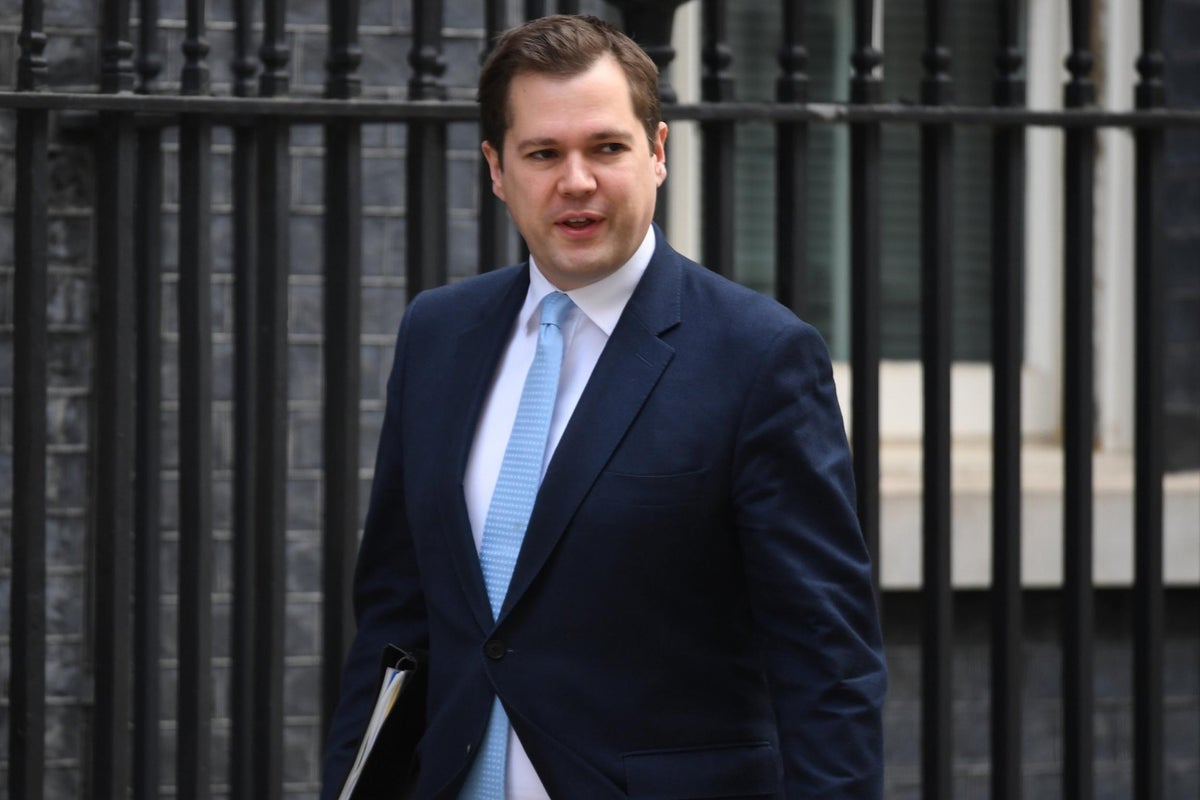
 
"We undermine the rule of law, which underpins our democracy, if we accept vandalism and criminal damage are acceptable forms of political protest. They aren’t. Regardless of the intentions."

Said Tory ex-minister Robert Jenrick, who wasn't charged with corruption after unlawfully helping out a Tory donor by approving his £40m development.

 
I think the people of Bristol had previously voted, more than once over the years, in the majority to have the statue removed but the council never acted on this or just dithered.
I'm not sure another poll would've worked (though it might have had more clout given the circumstances)

Dunking the **** in the drink most certainly did.

I may be wrong but I thought there was a couple of petitions and a small movement to get it removed but never a significant poll.

Again, I could be wrong there.
 
Only appears to have fallen out of usage in the middle of the last century, presumably at a time when it was being heard and read by the general public in popular media; was that perhaps a reason why it changed? I suppose its continued usage in society reflects how little contact there actually is between the laity and the professionals.
https://en.wikipedia.org/wiki/Milord
I think Rumpole of the Bailey has a lot to answer for!
 
In my mind it gives future defence lawyers something to hang their hats on when the next criminal damage case goes to court.

Yes me lud, my client did smash up this statue, but was doing it as an anti racist protest.

Only for an objection to be raised by the prosecution and a judge to uphold it and to tell the defence to stop messing about and being silly buggers
 
Guessing that these arguments were what swayed the jury.
Possibly, or maybe they’d already made their minds up. Advocacy is a marginal art. If someone has an entrenched view on something, the deployment of a silken tongue is highly unlikely to shift them from that. Of course there are large numbers of cases where people sit more readily in the middle, and can be persuaded one way or the other, but as this thread has suitably demonstrated, this is a subject upon which people hold strident views.
 
The world we now live in unfortunately.

Rewarding criminality and that’s what the jury has done here is not what we as a society should be doing.
 
This is the main precedent. But it was to stop a worse crime, whereas toppling Colston didn't stop slavery. Putting holes in one of Colston's ships in dock in Bristol would have, except slavery wasn't a crime.

 
Possibly, or maybe they’d already made their minds up. Advocacy is a marginal art. If someone has an entrenched view on something, the deployment of a silken tongue is highly unlikely to shift them from that. Of course there are large numbers of cases where people sit more readily in the middle, and can be persuaded one way or the other, but as this thread has suitably demonstrated, this is a subject upon which people hold strident views.

Think this was always a likely outcome, particularly with it being held in Bristol.
 
Only for an objection to be raised by the prosecution and a judge to uphold it and to tell the defence to stop messing about and being silly buggers
Within certain bounds, a judge can’t really tell the defence how to run their case, no matter how ridiculous - and it’s certainly fuck all to do with the prosecution, assuming professional misconduct isn’t engaged.
 
Possibly, or maybe they’d already made their minds up. Advocacy is a marginal art. If someone has an entrenched view on something, the deployment of a silken tongue is highly unlikely to shift them from that. Of course there are large numbers of cases where people sit more readily in the middle, and can be persuaded one way or the other, but as this thread has suitably demonstrated, this is a subject upon which people hold strident views.
3 hours of deliberation when there were no facts in dispute and a majority verdict suggest some jurors at least wrangled over the defence argument.
 
3 hours of deliberation when there were no facts in dispute and a majority verdict suggest some jurors at least wrangled over the defence argument.

It was an 11 - 1 verdict so only one juror not in agreement
 
3 hours of deliberation when there were no facts in dispute and a majority verdict suggest some jurors at least wrangled over the defence argument.
The three hours is a bit misleading. A majority verdict can’t be given until at least two hours and ten minutes have passed, and most likely it will have been a bit more than that. So, it may very well be the case that everyone had entrenched positions for a couple of hours, and it was clear no-one was going to budge, so a message was given the the Judge and he gave them the majority direction, upon which they came back with a verdict. Three hours, in a high profile case like this, is pretty quick tbf.
 

Don't have an account? Register now and see fewer ads!

SIGN UP
Back
Top