Looking for some advice please. :-) (again)
Apologies for the long post.
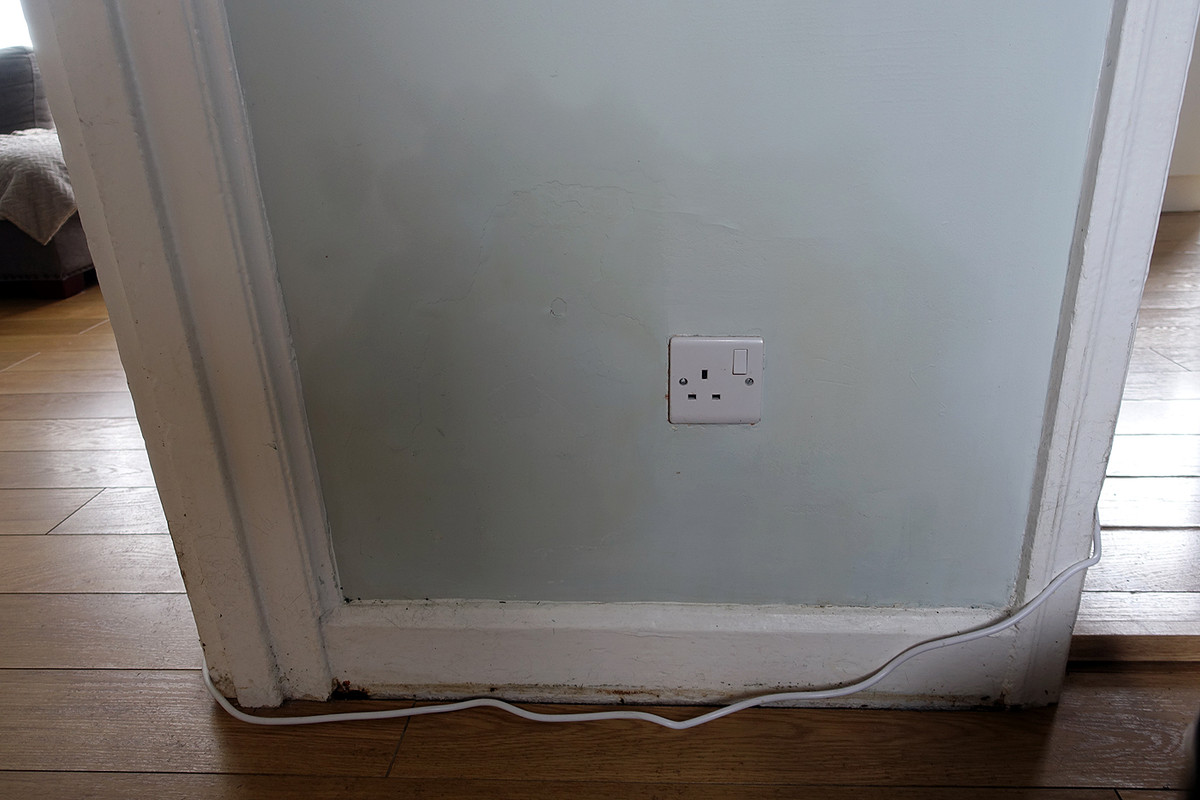
As you can see from the pictures I've got internal rising damp on my living wall and on the hallway wall.
It's been like that for 2 years, but it's got worse over the winter months.
As the days are now getting longer and the weather is improving, I want to get this sorted once and fall all.
A couple of years ago a friend of mine who is a builder got one of his lads to cap the chimneys. As I've not been on to the roof I don't know what kind of job the lad did and whether he capped the chimneys properly or not?
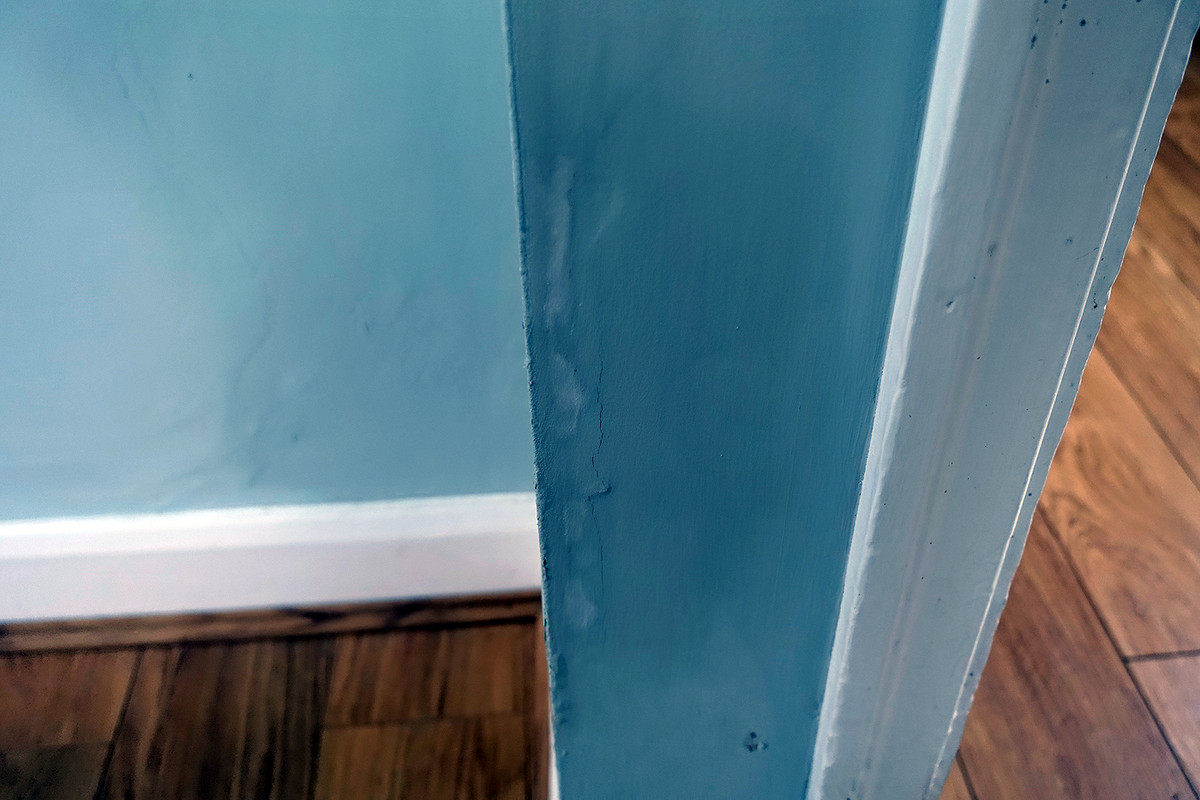
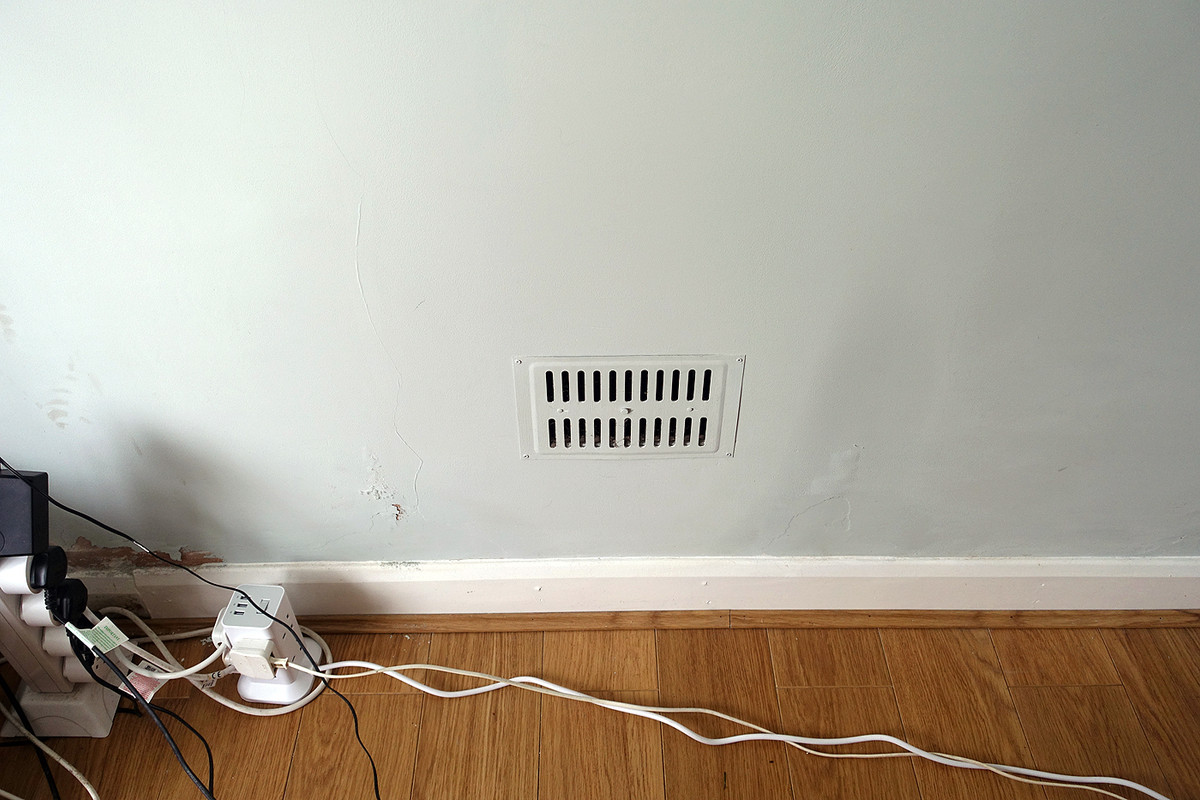
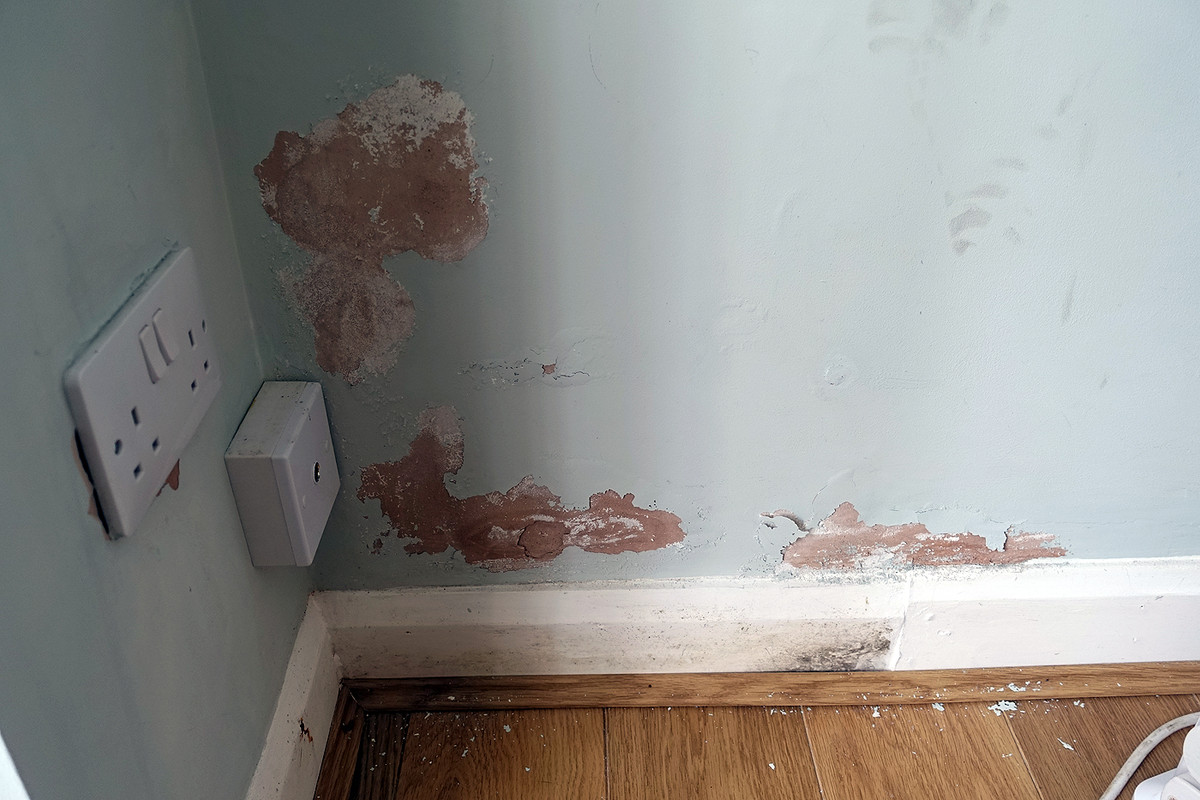
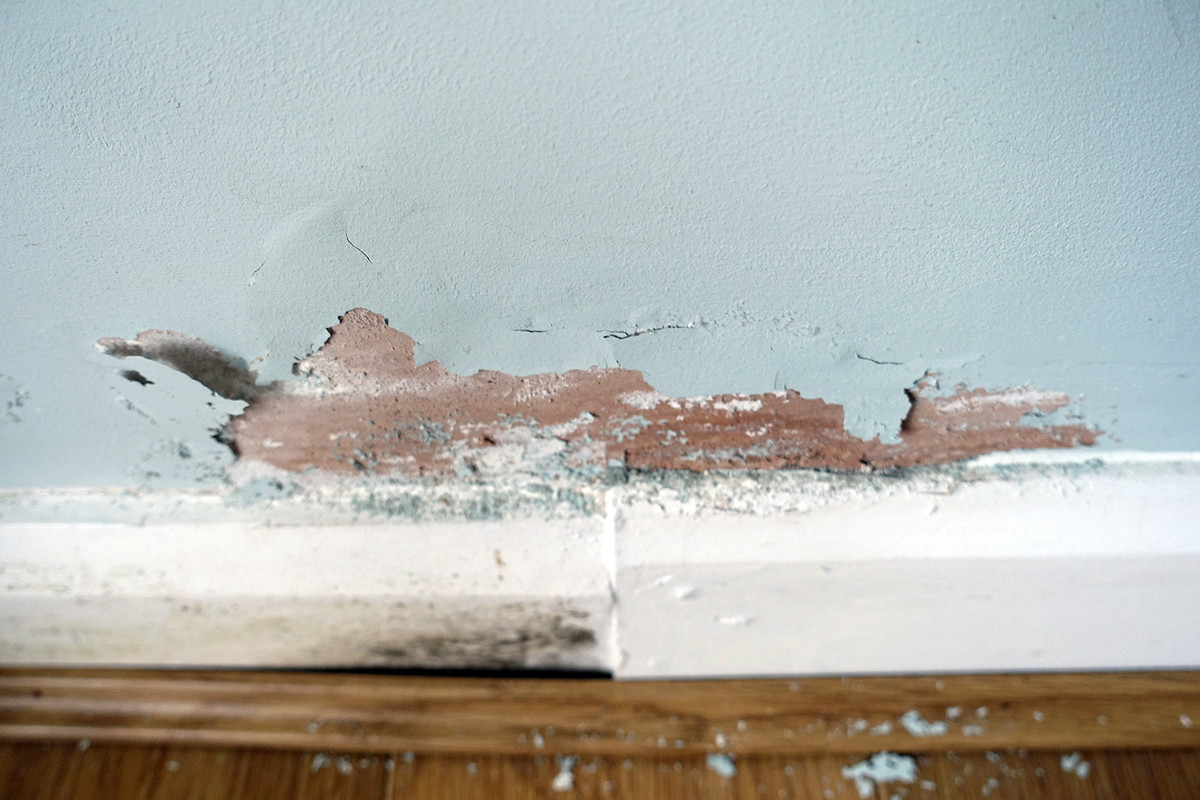
As you can see from the pictures the chimney forms part of the wall. See the vent. Previously the paint had been flaking in 3 main areas, on the hall way wall around the socket, on the right corner side of the wall in the living room, on the left corner side of the wall next to the socket, as well as small areas along the skirting board. I've repainted those areas numerous times only for paint to started flaking off again. Of late the paint hasn't been flaking of the hallway wall or on the right side of the living room wall, but the plaster looks shot on both walls. The left hand side of the wall is a different matter altogether, the damp and flaking paint has got worse on that side of the wall.
Looking at it like this. The chimney may not have been been capped properly and the rain is still coming down the chimneyt? How easy is it to cap a chimney? Or there is something wrong along the base of that internal wall where damp and moisture are coming in and rising up along the wall?
I'm either going to have to get the chimney checked to see if it has been capped properly, and if it has, then what? Or I'm going to have to take skirting board off along the wall to see what's going on along the base of the wall. Doing that would damaged the plaster. Which would you do first?
What's the best thing to do so I can get this sorted once and for all?
Thanks.
Hallway wall.
Right side living room wall.
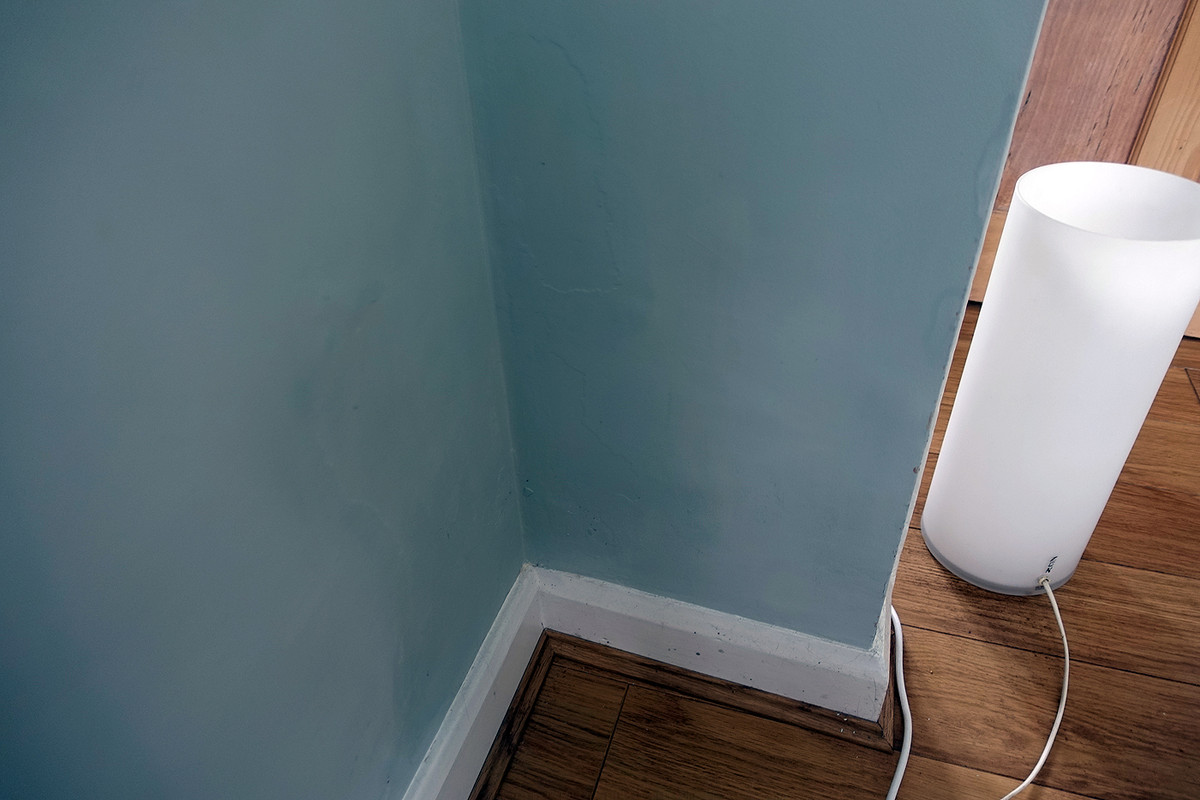
Chimney and vent section of the wall where a gas fire used to be, with the hole boarded up and plastered.
Left side of the living wall.
Along the wall and skirting board.
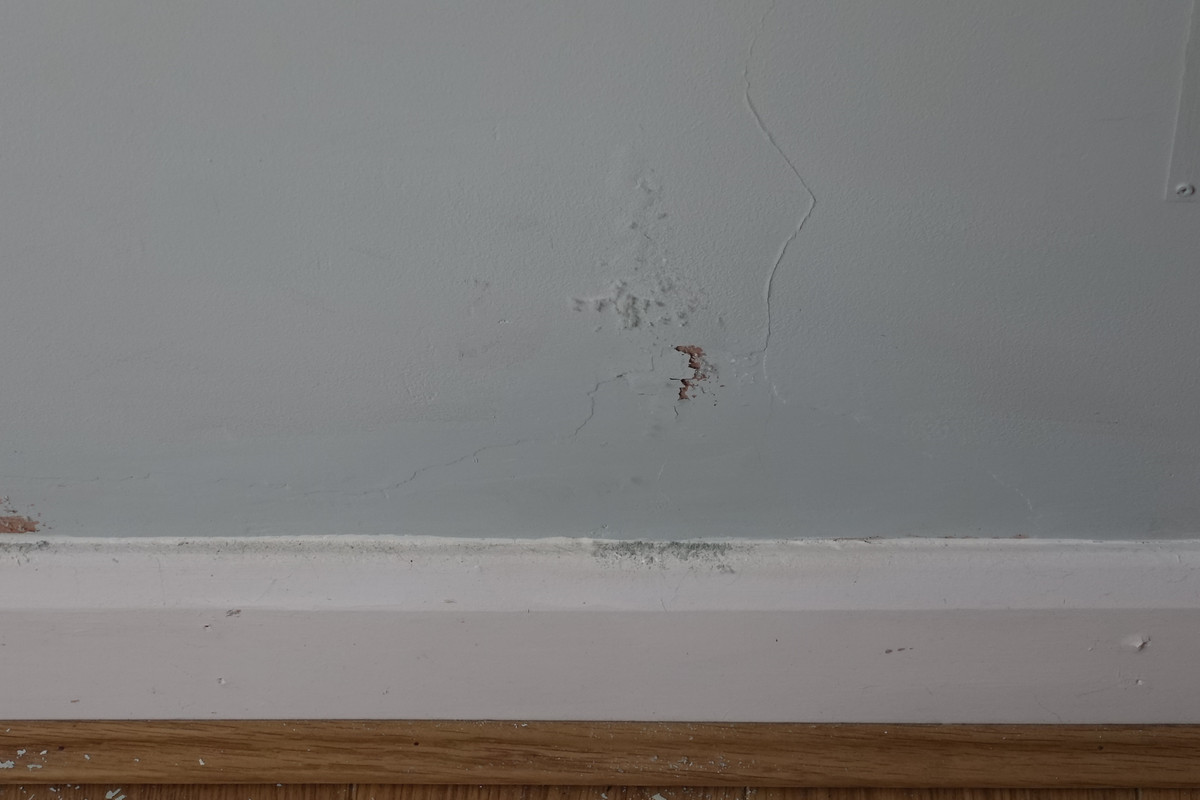
All the living room wall.

Apologies for the long post.
As you can see from the pictures I've got internal rising damp on my living wall and on the hallway wall.
It's been like that for 2 years, but it's got worse over the winter months.
As the days are now getting longer and the weather is improving, I want to get this sorted once and fall all.
A couple of years ago a friend of mine who is a builder got one of his lads to cap the chimneys. As I've not been on to the roof I don't know what kind of job the lad did and whether he capped the chimneys properly or not?
As you can see from the pictures the chimney forms part of the wall. See the vent. Previously the paint had been flaking in 3 main areas, on the hall way wall around the socket, on the right corner side of the wall in the living room, on the left corner side of the wall next to the socket, as well as small areas along the skirting board. I've repainted those areas numerous times only for paint to started flaking off again. Of late the paint hasn't been flaking of the hallway wall or on the right side of the living room wall, but the plaster looks shot on both walls. The left hand side of the wall is a different matter altogether, the damp and flaking paint has got worse on that side of the wall.
Looking at it like this. The chimney may not have been been capped properly and the rain is still coming down the chimneyt? How easy is it to cap a chimney? Or there is something wrong along the base of that internal wall where damp and moisture are coming in and rising up along the wall?
I'm either going to have to get the chimney checked to see if it has been capped properly, and if it has, then what? Or I'm going to have to take skirting board off along the wall to see what's going on along the base of the wall. Doing that would damaged the plaster. Which would you do first?
What's the best thing to do so I can get this sorted once and for all?
Thanks.
Hallway wall.
Right side living room wall.
Chimney and vent section of the wall where a gas fire used to be, with the hole boarded up and plastered.
Left side of the living wall.
Along the wall and skirting board.
All the living room wall.