
You are using an out of date browser. It may not display this or other websites correctly.
You should upgrade or use an alternative browser.
You should upgrade or use an alternative browser.
Reading Challenge 2022
- Thread starter RobMCFC
- Start date
When The Levee Breaks
Well-Known Member
- Joined
- 24 Aug 2015
- Messages
- 533
Currently reading 1974, by David Peace. Started it yesterday at 6pm
I'm now on page 200, so safe to say I'm enjoying it :)
I'm now on page 200, so safe to say I'm enjoying it :)
JRockBlues
Well-Known Member
RobMCFC
Well-Known Member
About bloody time! I know he has had his anxiety issues, but he always seems to be posting on Social Media about anything but his writing. It all seemed so different in 2006 when he announced he was writing a 7-book series with one to be released each year.
Anyway, still looking forward to The Thorn of Emberlain whenever it is released. If his editors are only just reading it, I guess its not likely for another year or so.
JRockBlues
Well-Known Member
Not Thorn just yet. The twitter thread just mentions 3 novella's that bridge the gap between Republic of Thieves and Thorn of Emberlain. But at least it's something.About bloody time! I know he has had his anxiety issues, but he always seems to be posting on Social Media about anything but his writing. It all seemed so different in 2006 when he announced he was writing a 7-book series with one to be released each year.
Anyway, still looking forward to The Thorn of Emberlain whenever it is released. If his editors are only just reading it, I guess its not likely for another year or so.
RobMCFC
Well-Known Member
Ah, then he must be a lazy git as well then because he first talked about a couple of novellas that bridged the gap between two novels about 12 years ago! I seem to remember something about "The Bastards and the Knives" - in fact I didn't imagine it:-Not Thorn just yet. The twitter thread just mentions 3 novella's that bridge the gap between Republic of Thieves and Thorn of Emberlain. But at least it's something.
The Bastards and the Knives
These two novellas tell the story of how Locke, Jean and the other gentleman bastards acquired the Austershalin brandy that played such a key role in the con at the centre of THE LIES OF LOCKE LAMORA and how they managed to avoid being killed by the elite assassins known as the Choir of...
books.google.de
Anyway, at least as you say it's some new stuff to look forward to.
1. Winter - Len Deighton - 7/10
2. The Last Great Mountain - Mick Conefrey - 6/10
3. Pegasus Bridge - Stephen E. Ambrose - 6/10
4. The Dead of Jericho - Colin Dexter - 7/10
5. Agent Sonya - Ben MacIntyre - 7/10
6. The Book Thief - Markus Zusak - 9/10
7. Macbeth - A. J. Hartley and David Hewson - 9/10
8. The Ashes of London - Andrew Taylor - 7/10
9. Ashendon - W. Somerset Maugham - 5/10
10. With a Mind to Kill - Anthony Horowitz - 8/10
My sons enjoyed Horowitz's Alex Rider series of books, when they were in their teens. I really enjoyed his Sherlock Holmes books The House of Silk and Moriarty, so I thought I'd try his new James Bond pastiche. This is his third Bond novel, all commissioned by the Ian Fleming Estate.
It is set in the 1960s, immediately after his adventures in The Man With The Golden Gun. Bond is captured by Russia, and with his mind controlled by them, he is sent back to kill his boss, M. After this is seemingly accomplished, he is recalled to Russia to accomplish a second task - one that will have devastating global consequences.
I've not read any Bond before, but this is said to be up there with Fleming's early novels. It is fast paced, packed with intrigue, and plenty of unexpected twists and turns, as you would expect with a good spy story. The characters are well defined, and Bond is exactly how you would expect him to be.
Maybe I should read one of Fleming's Bond stories, but I will definitely keep an eye out for Horowitz's future work.

2. The Last Great Mountain - Mick Conefrey - 6/10
3. Pegasus Bridge - Stephen E. Ambrose - 6/10
4. The Dead of Jericho - Colin Dexter - 7/10
5. Agent Sonya - Ben MacIntyre - 7/10
6. The Book Thief - Markus Zusak - 9/10
7. Macbeth - A. J. Hartley and David Hewson - 9/10
8. The Ashes of London - Andrew Taylor - 7/10
9. Ashendon - W. Somerset Maugham - 5/10
10. With a Mind to Kill - Anthony Horowitz - 8/10
My sons enjoyed Horowitz's Alex Rider series of books, when they were in their teens. I really enjoyed his Sherlock Holmes books The House of Silk and Moriarty, so I thought I'd try his new James Bond pastiche. This is his third Bond novel, all commissioned by the Ian Fleming Estate.
It is set in the 1960s, immediately after his adventures in The Man With The Golden Gun. Bond is captured by Russia, and with his mind controlled by them, he is sent back to kill his boss, M. After this is seemingly accomplished, he is recalled to Russia to accomplish a second task - one that will have devastating global consequences.
I've not read any Bond before, but this is said to be up there with Fleming's early novels. It is fast paced, packed with intrigue, and plenty of unexpected twists and turns, as you would expect with a good spy story. The characters are well defined, and Bond is exactly how you would expect him to be.
Maybe I should read one of Fleming's Bond stories, but I will definitely keep an eye out for Horowitz's future work.
RobMCFC
Well-Known Member
1. The Spirit Engineer - A.J.West - 7/10
2. The Lost Man - Jane Harper - 8/10
3. The Fall of Babel – Josiah Bancroft - 5/10
4. The Forest – Michaelbrent Collings – 3/10
5. Black River – Will Dean – 7/10
6. Winter is Coming – Garry Kasparov – 9/10
7. Archangel – Robert Harris – 8/10
8. The Justice of Kings – Richard Swan - 8/10
9. Priest of Bones – Peter McLean – 8/10
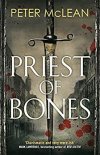
Second fantasy on the bounce and another enjoyable tale. This is the first book in the War for the Rose Throne series, and I’ll definitely be buying the next one. This book sat for so long on my “to buy” list and I’d put it off for years because I was in the middle of multiple other fantasy series.
The story concerns Thomas Piety, a man returning from war with his comrades to find that his various underworld businesses have been taken over by a rival gang. Naturally, he sets about taking them back and rebuilding his empire, a task that becomes all the more complicated when he is approached by a Queens’s Man who tells him exactly what he must do and when in order to save his home city of Ellinburg from falling to an enemy force.
The main draw of this book is the voice of the lead character. It is written in first person in the voice of Thomas Piety, who doesn’t use big words and basically tells it like it is. Very similar to the voice of Warden in the Low Town books by Daniel Polansky, if you’ve read them. This approach is a strength, in that the author gets things across easily and I did enjoy reading the narrative, but at times I found that things seemed to happen a little too easily or quickly. e.g. in one part of the story where they are fighting his rivals, he basically says that his crew turned up and it was butchery – you don’t get much more than that. Arguably, given that this seems to be a written account by Piety (there is frequent use of “as I have previously written”) it just about works.
The other strength is the cast of characters – again, we’re only seeing them through Piety’s eyes, but some strong personalities do come across, and I’d like to know a bit more about Billy the Boy, Old Kurt, Cutter and Bloody Anne in the upcoming installments.
2. The Lost Man - Jane Harper - 8/10
3. The Fall of Babel – Josiah Bancroft - 5/10
4. The Forest – Michaelbrent Collings – 3/10
5. Black River – Will Dean – 7/10
6. Winter is Coming – Garry Kasparov – 9/10
7. Archangel – Robert Harris – 8/10
8. The Justice of Kings – Richard Swan - 8/10
9. Priest of Bones – Peter McLean – 8/10
Second fantasy on the bounce and another enjoyable tale. This is the first book in the War for the Rose Throne series, and I’ll definitely be buying the next one. This book sat for so long on my “to buy” list and I’d put it off for years because I was in the middle of multiple other fantasy series.
The story concerns Thomas Piety, a man returning from war with his comrades to find that his various underworld businesses have been taken over by a rival gang. Naturally, he sets about taking them back and rebuilding his empire, a task that becomes all the more complicated when he is approached by a Queens’s Man who tells him exactly what he must do and when in order to save his home city of Ellinburg from falling to an enemy force.
The main draw of this book is the voice of the lead character. It is written in first person in the voice of Thomas Piety, who doesn’t use big words and basically tells it like it is. Very similar to the voice of Warden in the Low Town books by Daniel Polansky, if you’ve read them. This approach is a strength, in that the author gets things across easily and I did enjoy reading the narrative, but at times I found that things seemed to happen a little too easily or quickly. e.g. in one part of the story where they are fighting his rivals, he basically says that his crew turned up and it was butchery – you don’t get much more than that. Arguably, given that this seems to be a written account by Piety (there is frequent use of “as I have previously written”) it just about works.
The other strength is the cast of characters – again, we’re only seeing them through Piety’s eyes, but some strong personalities do come across, and I’d like to know a bit more about Billy the Boy, Old Kurt, Cutter and Bloody Anne in the upcoming installments.
1. Winter - Len Deighton - 7/10
2. The Last Great Mountain - Mick Conefrey - 6/10
3. Pegasus Bridge - Stephen E. Ambrose - 6/10
4. The Dead of Jericho - Colin Dexter - 7/10
5. Agent Sonya - Ben MacIntyre - 7/10
6. The Book Thief - Markus Zusak - 9/10
7. Macbeth - A. J. Hartley and David Hewson - 9/10
8. The Ashes of London - Andrew Taylor - 7/10
9. Ashendon - W. Somerset Maugham - 5/10
10. With a Mind to Kill - Anthony Horowitz - 8/10
11. SAS: Sea King Down - Mark Aston and Stuart Tootal - 7/10
This is an account of the Falklands conflict from the perspective of Mark Aston, a special forces soldier. Aston managed to survive two helicopter crashes (hence the book title), one of which nearly claimed his life.
It starts with the obligatory section on how the author ended up in the SAS, and continues to describe Aston's experiences in the liberation of South Georgia and the Falkland Islands.
It's a detailed description of one soldier's experiences, rather than a historical overview of the conflict. We get to see the differences between how elite soldiers operate when they are set against inadequately prepared and less motivated enemy operators. But despite all the additional expertise gained by the very best combat units, one can't help but appreciate that there is a large element of chance in surviving a conflict of this nature. British special forces lost many men during this war.

2. The Last Great Mountain - Mick Conefrey - 6/10
3. Pegasus Bridge - Stephen E. Ambrose - 6/10
4. The Dead of Jericho - Colin Dexter - 7/10
5. Agent Sonya - Ben MacIntyre - 7/10
6. The Book Thief - Markus Zusak - 9/10
7. Macbeth - A. J. Hartley and David Hewson - 9/10
8. The Ashes of London - Andrew Taylor - 7/10
9. Ashendon - W. Somerset Maugham - 5/10
10. With a Mind to Kill - Anthony Horowitz - 8/10
11. SAS: Sea King Down - Mark Aston and Stuart Tootal - 7/10
This is an account of the Falklands conflict from the perspective of Mark Aston, a special forces soldier. Aston managed to survive two helicopter crashes (hence the book title), one of which nearly claimed his life.
It starts with the obligatory section on how the author ended up in the SAS, and continues to describe Aston's experiences in the liberation of South Georgia and the Falkland Islands.
It's a detailed description of one soldier's experiences, rather than a historical overview of the conflict. We get to see the differences between how elite soldiers operate when they are set against inadequately prepared and less motivated enemy operators. But despite all the additional expertise gained by the very best combat units, one can't help but appreciate that there is a large element of chance in surviving a conflict of this nature. British special forces lost many men during this war.
1. Winter - Len Deighton - 7/10
2. The Last Great Mountain - Mick Conefrey - 6/10
3. Pegasus Bridge - Stephen E. Ambrose - 6/10
4. The Dead of Jericho - Colin Dexter - 7/10
5. Agent Sonya - Ben MacIntyre - 7/10
6. The Book Thief - Markus Zusak - 9/10
7. Macbeth - A. J. Hartley and David Hewson - 9/10
8. The Ashes of London - Andrew Taylor - 7/10
9. Ashendon - W. Somerset Maugham - 5/10
10. With a Mind to Kill - Anthony Horowitz - 8/10
11. SAS: Sea King Down - Mark Aston and Stuart Tootal - 7/10
12. SS-GB - Len Deighton - 6/10
The story centres on a British Police Chief Inspector, investigating a murder, in Nazi-occupied London in 1942, after Germany win the war. He is under the command of the SS, but there is also interference from the Abwehr, who want to take over the investigation. This leads to jockeying for political supremacy between the SS and the Abwehr.
The USA and Germany both want to secure the secret papers of the murdered man, who was a top British scientist, working on producing the first atom bomb. British politicians and resistance workers both want to keep nuclear secrets out of the hands of both the Germans and the Americans, but at the same time, the politicians would like to draw the Americans into conflict with the Germans as that would restart the war and probably rid Britain of Nazi occupation.
The Germans hold the King captive, so the Brits negotiate with the Abwehr to trade the King for the papers. There is plenty of double crossing and betrayal, and the whole story gets rather confusing. It falls into place by the end of the book, but it's a complicated journey, made worse by the various levels of German authority.
I read Dominion by C J Sanson last year - another alternative history featuring a race to secure nuclear secrets in Nazi occupied Britain. Sansom's book is much better than Deighton's, in my view.

2. The Last Great Mountain - Mick Conefrey - 6/10
3. Pegasus Bridge - Stephen E. Ambrose - 6/10
4. The Dead of Jericho - Colin Dexter - 7/10
5. Agent Sonya - Ben MacIntyre - 7/10
6. The Book Thief - Markus Zusak - 9/10
7. Macbeth - A. J. Hartley and David Hewson - 9/10
8. The Ashes of London - Andrew Taylor - 7/10
9. Ashendon - W. Somerset Maugham - 5/10
10. With a Mind to Kill - Anthony Horowitz - 8/10
11. SAS: Sea King Down - Mark Aston and Stuart Tootal - 7/10
12. SS-GB - Len Deighton - 6/10
The story centres on a British Police Chief Inspector, investigating a murder, in Nazi-occupied London in 1942, after Germany win the war. He is under the command of the SS, but there is also interference from the Abwehr, who want to take over the investigation. This leads to jockeying for political supremacy between the SS and the Abwehr.
The USA and Germany both want to secure the secret papers of the murdered man, who was a top British scientist, working on producing the first atom bomb. British politicians and resistance workers both want to keep nuclear secrets out of the hands of both the Germans and the Americans, but at the same time, the politicians would like to draw the Americans into conflict with the Germans as that would restart the war and probably rid Britain of Nazi occupation.
The Germans hold the King captive, so the Brits negotiate with the Abwehr to trade the King for the papers. There is plenty of double crossing and betrayal, and the whole story gets rather confusing. It falls into place by the end of the book, but it's a complicated journey, made worse by the various levels of German authority.
I read Dominion by C J Sanson last year - another alternative history featuring a race to secure nuclear secrets in Nazi occupied Britain. Sansom's book is much better than Deighton's, in my view.
RobMCFC
Well-Known Member
1. The Spirit Engineer - A.J.West - 7/10
2. The Lost Man - Jane Harper - 8/10
3. The Fall of Babel – Josiah Bancroft - 5/10
4. The Forest – Michaelbrent Collings – 3/10
5. Black River – Will Dean – 7/10
6. Winter is Coming – Garry Kasparov – 9/10
7. Archangel – Robert Harris – 8/10
8. The Justice of Kings – Richard Swan - 8/10
9. Priest of Bones – Peter McLean – 8/10
10. Watching Skies: Star Wars, Spielberg and us – Mark O’Connell – 7/10
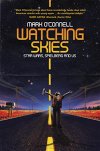
This book takes its name from the pre-release title of Spielberg’s film Close Encounters of the Third Kind and recounts the author’s experiences as a kid growing up watching films in the 70s and 80s. It’s an exercise in nostalgia as he details his growing obsession with the Star Wars films, Spielberg’s epics and other similar films of the era. I enjoyed it because he devotes lengthy chapters to films that I also love: Jaws, Close Encounters, E.T., Star Wars and the Indiana Jones films, alongside others that I’m either not so keen on or haven’t seen such as Supergirl and Ghostbusters. He also mixes in a good deal of his own life at the time, including his ever-growing collection of Star Wars action figures and the tragic loss of his entire collection on a holiday to Crete.
It's a non-linear approach because he was born in the mid-70s and therefore missed a lot of films on their original cinematic run meaning that his initial viewing was either on TV or video in many cases. Whilst I am a bit older and therefore got to see all of the Star Wars and Indiana Jones films in the cinema on initial release, his description of discovering all those great films on video in the early to mid-80s and eagerly awaiting the Christmas Radio Times to see what films were on TV in the pre-video age certainly struck a chord with me.
It does feel like he’s over-egging the cake in his adulation of some of the films in question, and at times it feels like he’s just spending paragraphs listing films and their dates, but I wholeheartedly agree with him that Lucas and Spielberg changed cinema forever and some of my favourite films came out during that second golden age of cinema that was 1975-1986.
2. The Lost Man - Jane Harper - 8/10
3. The Fall of Babel – Josiah Bancroft - 5/10
4. The Forest – Michaelbrent Collings – 3/10
5. Black River – Will Dean – 7/10
6. Winter is Coming – Garry Kasparov – 9/10
7. Archangel – Robert Harris – 8/10
8. The Justice of Kings – Richard Swan - 8/10
9. Priest of Bones – Peter McLean – 8/10
10. Watching Skies: Star Wars, Spielberg and us – Mark O’Connell – 7/10
This book takes its name from the pre-release title of Spielberg’s film Close Encounters of the Third Kind and recounts the author’s experiences as a kid growing up watching films in the 70s and 80s. It’s an exercise in nostalgia as he details his growing obsession with the Star Wars films, Spielberg’s epics and other similar films of the era. I enjoyed it because he devotes lengthy chapters to films that I also love: Jaws, Close Encounters, E.T., Star Wars and the Indiana Jones films, alongside others that I’m either not so keen on or haven’t seen such as Supergirl and Ghostbusters. He also mixes in a good deal of his own life at the time, including his ever-growing collection of Star Wars action figures and the tragic loss of his entire collection on a holiday to Crete.
It's a non-linear approach because he was born in the mid-70s and therefore missed a lot of films on their original cinematic run meaning that his initial viewing was either on TV or video in many cases. Whilst I am a bit older and therefore got to see all of the Star Wars and Indiana Jones films in the cinema on initial release, his description of discovering all those great films on video in the early to mid-80s and eagerly awaiting the Christmas Radio Times to see what films were on TV in the pre-video age certainly struck a chord with me.
It does feel like he’s over-egging the cake in his adulation of some of the films in question, and at times it feels like he’s just spending paragraphs listing films and their dates, but I wholeheartedly agree with him that Lucas and Spielberg changed cinema forever and some of my favourite films came out during that second golden age of cinema that was 1975-1986.
1. Winter - Len Deighton - 7/10
2. The Last Great Mountain - Mick Conefrey - 6/10
3. Pegasus Bridge - Stephen E. Ambrose - 6/10
4. The Dead of Jericho - Colin Dexter - 7/10
5. Agent Sonya - Ben MacIntyre - 7/10
6. The Book Thief - Markus Zusak - 9/10
7. Macbeth - A. J. Hartley and David Hewson - 9/10
8. The Ashes of London - Andrew Taylor - 7/10
9. Ashendon - W. Somerset Maugham - 5/10
10. With a Mind to Kill - Anthony Horowitz - 8/10
11. SAS: Sea King Down - Mark Aston and Stuart Tootal - 7/10
12. SS-GB - Len Deighton - 6/10
13. Nomad - Alan Partridge - 5/10
This is the sort of light hearted book I listen to when running. This has plenty of funny moments, but many of them are the old familiar ways of Alan misinterpreting scorn as adulation, or failing to recognise the disdain shown to him by BBC, and other minor celebrities. It wears thin after a while.
Alan attempts to honour his late father by retracing his father's route from Norwich to Dungeoness, where he once applied for a job. The difference being that Alan walks, whereas his dad either drove or took public transport. I forget which.
The subplot - yes, you've guessed - is Alan trying to get his walk commissioned as a TV series, just as Portillo, Julia Bradbury, Tony Robinson have done previously.
As I say, some funny moments, but Partridge / Coogan have done better. I recall listening to From the Oasthouse during early lockdown. That was very funny.

2. The Last Great Mountain - Mick Conefrey - 6/10
3. Pegasus Bridge - Stephen E. Ambrose - 6/10
4. The Dead of Jericho - Colin Dexter - 7/10
5. Agent Sonya - Ben MacIntyre - 7/10
6. The Book Thief - Markus Zusak - 9/10
7. Macbeth - A. J. Hartley and David Hewson - 9/10
8. The Ashes of London - Andrew Taylor - 7/10
9. Ashendon - W. Somerset Maugham - 5/10
10. With a Mind to Kill - Anthony Horowitz - 8/10
11. SAS: Sea King Down - Mark Aston and Stuart Tootal - 7/10
12. SS-GB - Len Deighton - 6/10
13. Nomad - Alan Partridge - 5/10
This is the sort of light hearted book I listen to when running. This has plenty of funny moments, but many of them are the old familiar ways of Alan misinterpreting scorn as adulation, or failing to recognise the disdain shown to him by BBC, and other minor celebrities. It wears thin after a while.
Alan attempts to honour his late father by retracing his father's route from Norwich to Dungeoness, where he once applied for a job. The difference being that Alan walks, whereas his dad either drove or took public transport. I forget which.
The subplot - yes, you've guessed - is Alan trying to get his walk commissioned as a TV series, just as Portillo, Julia Bradbury, Tony Robinson have done previously.
As I say, some funny moments, but Partridge / Coogan have done better. I recall listening to From the Oasthouse during early lockdown. That was very funny.
Last edited:
RobMCFC
Well-Known Member
1. The Spirit Engineer - A.J.West - 7/10
2. The Lost Man - Jane Harper - 8/10
3. The Fall of Babel – Josiah Bancroft - 5/10
4. The Forest – Michaelbrent Collings – 3/10
5. Black River – Will Dean – 7/10
6. Winter is Coming – Garry Kasparov – 9/10
7. Archangel – Robert Harris – 8/10
8. The Justice of Kings – Richard Swan - 8/10
9. Priest of Bones – Peter McLean – 8/10
10. Watching Skies: Star Wars, Spielberg and us – Mark O’Connell – 7/10
11. Björn Borg and the Super-Swedes – Mats Holm and Ulf Roosvald – 8/10
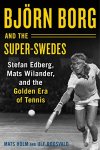
This is a great book, which tells the story of how three Swedish tennis players won 24 Grand Salm Titles in just 18 years. The first chapter is a fascinating look at how tennis in Sweden became popular after King Gustav V visited Wimbledon and how he encouraged the top players of the early 20th Century to come and play in Sweden. We also get a potted history of Sweden’s most notable players in the early years, included Lennart Bergelin, who would go on to coach Bjorn Borg.
Of course, the meat of the story is the emergence of Bjorn Borg in the early 70s, and the authors do a good job of framing the story around Borg and his rivals. There are plenty of quotes from the likes of Ilie Nastase, Guillermo Vilas and John McEnroe and as much as a biography of Borg, it’s a nice snapshot of the tennis world at the time.
Mats Wilander is probably the least known of the three main players in the UK, probably because he never got beyond the quarter-finals at Wimbledon, but he did win seven other grand slams, including his first French Open title at the age of 17. This book offers a great insight into the mind of Wilander and how he plotted his way through matches with the eyes of a great tactician.
Stefan Edberg had a more direct style, wanting to finish points as quickly as possible, and whilst Wildander’s story takes up the middle section of the book, Edberg’s story is woven through it and finishes the story of Sweden’s golden age of tennis very nicely.
I love a good tennis biography, and what you effectively get here is three mini biographies in one, whilst providing a good view of tennis from a Swedish point of view. Highly recommended if you like tennis.
2. The Lost Man - Jane Harper - 8/10
3. The Fall of Babel – Josiah Bancroft - 5/10
4. The Forest – Michaelbrent Collings – 3/10
5. Black River – Will Dean – 7/10
6. Winter is Coming – Garry Kasparov – 9/10
7. Archangel – Robert Harris – 8/10
8. The Justice of Kings – Richard Swan - 8/10
9. Priest of Bones – Peter McLean – 8/10
10. Watching Skies: Star Wars, Spielberg and us – Mark O’Connell – 7/10
11. Björn Borg and the Super-Swedes – Mats Holm and Ulf Roosvald – 8/10
This is a great book, which tells the story of how three Swedish tennis players won 24 Grand Salm Titles in just 18 years. The first chapter is a fascinating look at how tennis in Sweden became popular after King Gustav V visited Wimbledon and how he encouraged the top players of the early 20th Century to come and play in Sweden. We also get a potted history of Sweden’s most notable players in the early years, included Lennart Bergelin, who would go on to coach Bjorn Borg.
Of course, the meat of the story is the emergence of Bjorn Borg in the early 70s, and the authors do a good job of framing the story around Borg and his rivals. There are plenty of quotes from the likes of Ilie Nastase, Guillermo Vilas and John McEnroe and as much as a biography of Borg, it’s a nice snapshot of the tennis world at the time.
Mats Wilander is probably the least known of the three main players in the UK, probably because he never got beyond the quarter-finals at Wimbledon, but he did win seven other grand slams, including his first French Open title at the age of 17. This book offers a great insight into the mind of Wilander and how he plotted his way through matches with the eyes of a great tactician.
Stefan Edberg had a more direct style, wanting to finish points as quickly as possible, and whilst Wildander’s story takes up the middle section of the book, Edberg’s story is woven through it and finishes the story of Sweden’s golden age of tennis very nicely.
I love a good tennis biography, and what you effectively get here is three mini biographies in one, whilst providing a good view of tennis from a Swedish point of view. Highly recommended if you like tennis.
Just finished The Cut by Chris Brookmyre. Maybe a 3.5 out of 5. Enjoyable read with lots of twists and turns. On target to reach my goal of reading 25 books this year. Currently sitting at 12 read and half way through another one
RobMCFC
Well-Known Member
Feel like I might be stuck at 20 again with some thicker books to come later this year!Just finished The Cut by Chris Brookmyre. Maybe a 3.5 out of 5. Enjoyable read with lots of twists and turns. On target to reach my goal of reading 25 books this year. Currently sitting at 12 read and half way through another one
JRockBlues
Well-Known Member
My review for that one was back on P15. Didn't think it was anywhere near his best work but he's still on my favourite authors list. I need to get back to writing reviews and add the 5 books I've read since the last one I posted here.Just finished The Cut by Chris Brookmyre. Maybe a 3.5 out of 5. Enjoyable read with lots of twists and turns. On target to reach my goal of reading 25 books this year. Currently sitting at 12 read and half way through another one
1. Winter - Len Deighton - 7/10
2. The Last Great Mountain - Mick Conefrey - 6/10
3. Pegasus Bridge - Stephen E. Ambrose - 6/10
4. The Dead of Jericho - Colin Dexter - 7/10
5. Agent Sonya - Ben MacIntyre - 7/10
6. The Book Thief - Markus Zusak - 9/10
7. Macbeth - A. J. Hartley and David Hewson - 9/10
8. The Ashes of London - Andrew Taylor - 7/10
9. Ashendon - W. Somerset Maugham - 5/10
10. With a Mind to Kill - Anthony Horowitz - 8/10
11. SAS: Sea King Down - Mark Aston and Stuart Tootal - 7/10
12. SS-GB - Len Deighton - 6/10
13. Nomad - Alan Partridge - 5/10
14. Jungle Soldier - Brian Moynahan - 9/10
This is a true story about Freddy Spencer Chapman, an adventurer. Chapman lost his mother when he was young. She left a financial legacy to pay for Chapman's schooling and he was educated at Sedbergh School and Cambridge University. His father was killed in WW1 whilst he was still at school. His schooling was harsh and he became a bit of a loner.
Ok leaving university, Chapman went on numerous expeditions to Greenland and later Tibet, where he mastered his survival skills and techniques that were to later serve him well when in the Malayan jungle. He was a keen naturalist.
During WW2, Chapman was posted to train Australian and New Zealand soldiers survival and guerrilla warfare techniques in Japanese occupied Malaya. He ended up behind enemy lines, eventually cut off from the main forces. The book tells how he joined up with Malayan freedom fighters, Chinese fighters, other lost allied soldiers and others, to survive three years in the jungle, despite constantly being hunted by the Japanese.
Chapman recorded his exploits in diaries, but there were lost twice and only his final diaries survived the war. He wrote about the jungle after the war, and this book draws heavily on the diaries and Chapman's book - "The Jungle is Neutral". There are discrepancies between the two versions though, as the writer points out.
An fascinating account of an adventurous life.

2. The Last Great Mountain - Mick Conefrey - 6/10
3. Pegasus Bridge - Stephen E. Ambrose - 6/10
4. The Dead of Jericho - Colin Dexter - 7/10
5. Agent Sonya - Ben MacIntyre - 7/10
6. The Book Thief - Markus Zusak - 9/10
7. Macbeth - A. J. Hartley and David Hewson - 9/10
8. The Ashes of London - Andrew Taylor - 7/10
9. Ashendon - W. Somerset Maugham - 5/10
10. With a Mind to Kill - Anthony Horowitz - 8/10
11. SAS: Sea King Down - Mark Aston and Stuart Tootal - 7/10
12. SS-GB - Len Deighton - 6/10
13. Nomad - Alan Partridge - 5/10
14. Jungle Soldier - Brian Moynahan - 9/10
This is a true story about Freddy Spencer Chapman, an adventurer. Chapman lost his mother when he was young. She left a financial legacy to pay for Chapman's schooling and he was educated at Sedbergh School and Cambridge University. His father was killed in WW1 whilst he was still at school. His schooling was harsh and he became a bit of a loner.
Ok leaving university, Chapman went on numerous expeditions to Greenland and later Tibet, where he mastered his survival skills and techniques that were to later serve him well when in the Malayan jungle. He was a keen naturalist.
During WW2, Chapman was posted to train Australian and New Zealand soldiers survival and guerrilla warfare techniques in Japanese occupied Malaya. He ended up behind enemy lines, eventually cut off from the main forces. The book tells how he joined up with Malayan freedom fighters, Chinese fighters, other lost allied soldiers and others, to survive three years in the jungle, despite constantly being hunted by the Japanese.
Chapman recorded his exploits in diaries, but there were lost twice and only his final diaries survived the war. He wrote about the jungle after the war, and this book draws heavily on the diaries and Chapman's book - "The Jungle is Neutral". There are discrepancies between the two versions though, as the writer points out.
An fascinating account of an adventurous life.
Just finished Beyond by Stephen Walker. The story of the first human to leave our planet. Another book that I would never ever have picked up so thanks to whoever recommended it on here. Completely outside my scope of what I usually read, a subject I knew virtually nothing about (apart from names of 1 or 2 people involved. I really enjoyed it and would highly recommend it. My next 2 are going to be paperback Sycamore Row by John Grisham and on my Kindle app The Well of Tears by our very own Rob Campbell. Looking forward to catching up with my old friends Monkey and Lorna
RobMCFC
Well-Known Member
Funny you should mention Grisham - when I posted on another forum a few years ago to try to drum up support for my novels, somebody commented that they liked my plots because they were more inventive than John Grisham's latest! (although I think they were trying to make the point that Grisham had gone downhill recently).Just finished Beyond by Stephen Walker. The story of the first human to leave our planet. Another book that I would never ever have picked up so thanks to whoever recommended it on here. Completely outside my scope of what I usually read, a subject I knew virtually nothing about (apart from names of 1 or 2 people involved. I really enjoyed it and would highly recommend it. My next 2 are going to be paperback Sycamore Row by John Grisham and on my Kindle app The Well of Tears by our very own Rob Campbell. Looking forward to catching up with my old friends Monkey and Lorna
Hope you enjoy the concluding book.
I really enjoyed the tension created in The Pelican Brief, and The Firm. A few others were good too, but they are all essentially legal thrillers. If I fancy a legal thriller or an ex-army vigilante thriller, Grisham and Childs are my go to authors. I'm not a regular visitor though.Funny you should mention Grisham - when I posted on another forum a few years ago to try to drum up support for my novels, somebody commented that they liked my plots because they were more inventive than John Grisham's latest! (although I think they were trying to make the point that Grisham had gone downhill recently).
Hope you enjoy the concluding book.