Retiring

The simple answer to the OP's question 'how much do you need to retire?' is 25x your annual spending.

If you want to spend £25k pa in retirement (and we're ignoring the state pension), you'll need around £625k. £1m invested will support a £40k pa lifestyle more or less indefinitely.
 
This is exactly what it’s about, don’t work to the grave, I’m currently in dispute with the wife I want to get a camper van next year and when my daughter is off school take her round Europe, she’s moaning because she’s still working full time and will be for years but no way I’m sitting at home wasting away.
When I went part-time I advised my wife to carry on full time to get her pension up to mine.
had two years bliss following City away in Europe and mid week games, as well as a quiet home most of the time.
 
The simple answer to the OP's question 'how much do you need to retire?' is 25x your annual spending.

If you want to spend £25k pa in retirement (and we're ignoring the state pension), you'll need around £625k. £1m invested will support a £40k pa lifestyle more or less indefinitely.
Interesting rule of thumb that - thanks.

Just to clarify, when you say "ignoring the state pension", not sure what you mean. Do you mean £625k would get you £25k pa, and on top of that you could get your state pension as well? Or you could get £25k including your state pension, i.e. £15,890 plus £9,110 state pension = £25,000.

And presumably you mean £25k gross? Because it would still be subject to income tax of course.
 
Interesting rule of thumb that - thanks.

Just to clarify, when you say "ignoring the state pension", not sure what you mean. Do you mean £625k would get you £25k pa, and on top of that you could get your state pension as well? Or you could get £25k including your state pension, i.e. £15,890 plus £9,110 state pension = £25,000.

And presumably you mean £25k gross? Because it would still be subject to income tax of course.
Yes, using the 4% rule, investments of £625k could support £25k of annual withdrawals indefinitely whilst simultaneously covering inflation. This does not include the state pension and is subject to income tax.
 
Yes, using the 4% rule, investments of £625k could support £25k of annual withdrawals indefinitely whilst simultaneously covering inflation. This does not include the state pension and is subject to income tax.
Even with the current pitiful levels of base rates and worldwide GDP output looking sluggish (or negative) due to COVID? I'd be bloody delighted with 4% return on capital right now.
 
I finished at the end of March and I'm certainly fitter now than i was when I was sat at a laptop all day

I do wish COVID-19 would fuck off however as I'm getting a little bored and it really cramps your style being locked down when you could be out visiting places ;-)
 
I took early retirement almost four years ago and don't miss the travel, long hours and shift work. I do miss the banter though. My navy pension isn't large but with no mortgage it pays my utility bills, food and a small weekly amount if I fancy a pint. I use my savings for holidays and any other expenditure. When I eventually get my state pension I'll feel like a bloody lottery winner with the extra cash lol.

Like others I wish there was a decent investment for my savings but it's dire everywhere.
 
@Chippy_boy & @denislawsbackheel

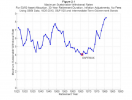
Here's a good chart created by Wade Pfau which shows the 4% rule is basically a worst-case scenario for the 65 years that were covered in the trinity study.

Remember that this covered a time period that includes the Great Depression, World War 2, The Cold War, The assassination of JFK and various other huge events in stock market history. To claim the 4% rule is no longer valid is baseless and quite unoptimistic.

There's always a risk the stock market could completely drop through the floor, but if you were sensibly invested, you'd carry a lot more bonds (rather than stocks) in retirement so you'd be more secure.
 

Attachments

  • 1601630973218.png
    1601630973218.png
    256.4 KB · Views: 16
An alternative take on why the 4% rule no longer works.


The reality is that somewhere between 3 and 5 is still the right answer for an average. In a shitty economic environment drop to 3% in a good one go up to 5%.

The big differentiator is how you live - if you have a big rambling country pile then this might not cover the heating bill. If you live in a cosy little flat and only pop out for a cup of tea once a week then you will have money for coke and hookers. It all comes in to it - what car(s) you drive, how often you eat out etc.
 
The reality is that somewhere between 3 and 5 is still the right answer for an average. In a shitty economic environment drop to 3% in a good one go up to 5%.

The big differentiator is how you live - if you have a big rambling country pile then this might not cover the heating bill. If you live in a cosy little flat and only pop out for a cup of tea once a week then you will have money for coke and hookers. It all comes in to it - what car(s) you drive, how often you eat out etc.
Whilst what you say may be true, that's not really the point. The question was whether you need 25x your annual spending budget in terms of savings, or 33x or 20x. For whatever level of annual spend you are planning on. IMO people should try to figure out what sort of lifestyle and annual budget they will need and then figure out how much they need to save up. Not get to retirement, look at how much they have got and then find out what sort of lifestyle they can have.
 
Even with the current pitiful levels of base rates and worldwide GDP output looking sluggish (or negative) due to COVID? I'd be bloody delighted with 4% return on capital right now.
Get a decent FA. I’ve made 7% since May on my transferred out pot. Bit risky of course but if you ignore day to day fluctuations and look long term you can make 4% easily on low risk investments.
 
Get a decent FA. I’ve made 7% since May on my transferred out pot. Bit risky of course but if you ignore day to day fluctuations and look long term you can make 4% easily on low risk investments.
I've done very well on some of my investments - my Fundsmith Equity and Lindsell Train Global Equity stocks are both circa 80% up since I invested. (My Woodford and Jupiter India investments have been ****ing disastrous however! But still I am perhaps +33% overall over the past 4 or 5 years.)

But this is all during a period where I am working and looking for maximum capital growth over a longish (10 year+) period. When I get to retirement my risk profile will be entirely different and I will be unlikely to find investing in relatively risky funds at all appealling. In those circumstances, getting a solid 4% year in, year out, whilst not putting your capital at risk, is probably going to be more difficult!

The other worry I have is that I fear anyone with any savings is going to get raped by the government as they raise taxes to pay for the COVID disaster. They will dress this up as higher taxes for "the rich" of course, but there aren't enough of them, so it's those in the middle - like me - who I fear will be hammered.
 
Last edited:
I've done very well on some of my investments - my Fundsmith Equity and Lindsell Train Global Equity stocks are both circa 80% up since I invested. (My Woodford and Jupiter India investments have been ****ing disastrous however! But still I am perhaps +33% overall over the past 4 or 5 years.)

But this is all during a period where I am working and looking for maximum capital growth over a longish (10 year+) period. When I get to retirement my risk profile will be entirely different and I will be unlikely to find investing in relatively risky funds at all appealling. In those circumstances, getting a solid 4% year in, year out, whilst not putting your capital at risk, is probably going to be more difficult!

The other worry I have is that I fear anyone with any savings is going to get raped by the government as they raise taxes to pay for the COVID disaster. They will dress this up as higher taxes for "the rich" of course, but there aren't enough of them, so it's those in the middle - like me - who I fear will be hammered.
Some great gains there. You obviously know the score so I’ll leave my advice at home!!
 
When I went part-time I advised my wife to carry on full time to get her pension up to mine.
had two years bliss following City away in Europe and mid week games, as well as a quiet home most of the time.

That’s my plan but as mine is 7 years younger, it will be for longer! The min age to take pensions is going to 57 by the time she gets there so if I go at around 60 which is the plan then she won’t be able to retire for 4 years at least and probably won’t be able to afford to retire for 7-10. Even better.
 
Monevator is a really good blog on all things investing.

These are a collection of articles on amongst other things the 4% rule :

 
Yes, using the 4% rule, investments of £625k could support £25k of annual withdrawals indefinitely whilst simultaneously covering inflation. This does not include the state pension and is subject
I've done very well on some of my investments - my Fundsmith Equity and Lindsell Train Global Equity stocks are both circa 80% up since I invested. (My Woodford and Jupiter India investments have been ****ing disastrous however! But still I am perhaps +33% overall over the past 4 or 5 years.)

But this is all during a period where I am working and looking for maximum capital growth over a longish (10 year+) period. When I get to retirement my risk profile will be entirely different and I will be unlikely to find investing in relatively risky funds at all appealling. In those circumstances, getting a solid 4% year in, year out, whilst not putting your capital at risk, is probably going to be more difficult!

The other worry I have is that I fear anyone with any savings is going to get raped by the government as they raise taxes to pay for the COVID disaster. They will dress this up as higher taxes for "the rich" of course, but there aren't enough of them, so it's those in the middle - like me - who I fear will be hammered.

Since Woodford, fund management companies finally seem to be waking up to the problem of poor performance and are starting to sack managers. Very much jobs for the boys that industry but there have been numerous sackings recently for poor performance.

Terry Smith at Fundsmith has a very simple approach and it seems to work. Lindsell/Train have been good performers too but been slipping a bit in the last year or so.

The key for me is always to invest in line with your risk tolerance and to be diversified, but to factor in the time period as this is the biggest risk reducer. If you are in your 20’s or 30’s in a pension and can’t take it for 35 years then going into a cautious fund might be the biggest financial mistake you ever make.

£100 a month increasing by 2% a year invested in a fund delivering 3% a year on average over 35 years would give you around £100k.

At 6% it is £182k

That difference could quite easily be down to lack of understanding of risk.

Diversification is important. Whatever risk you are, global investment is key to manage risk. So many people are invested in UK funds, usually in pensions that they set up 30 years ago when global investment was not popular.
 

Don't have an account? Register now and see fewer ads!

SIGN UP
Back
Top