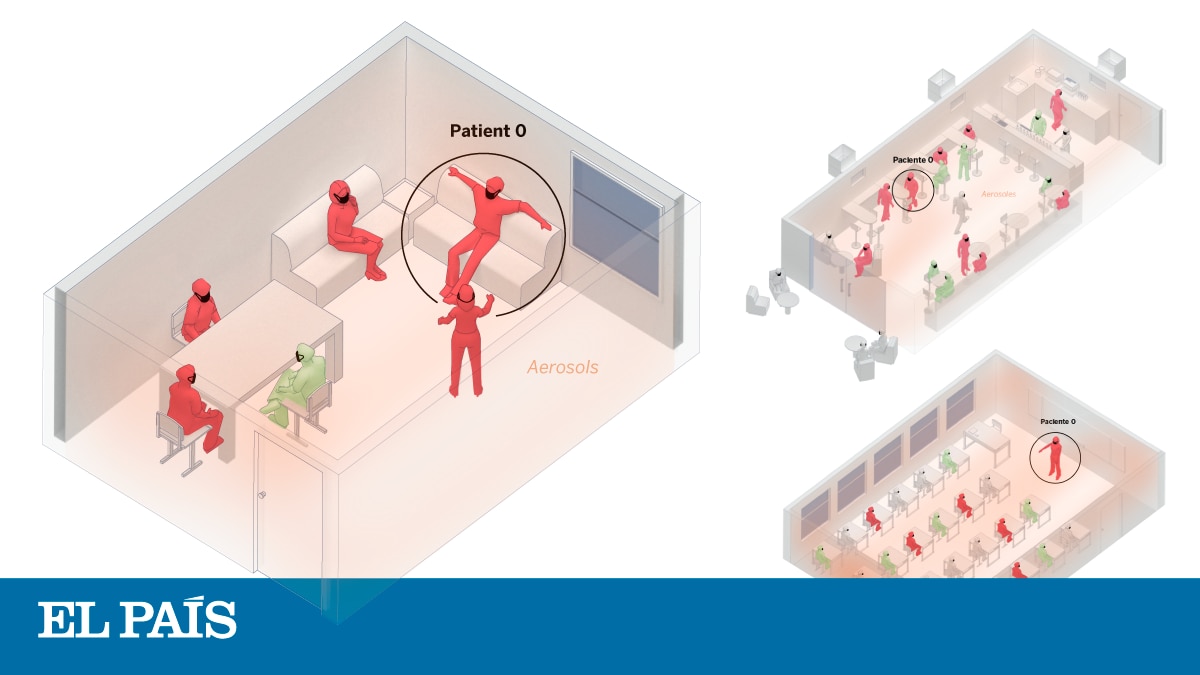
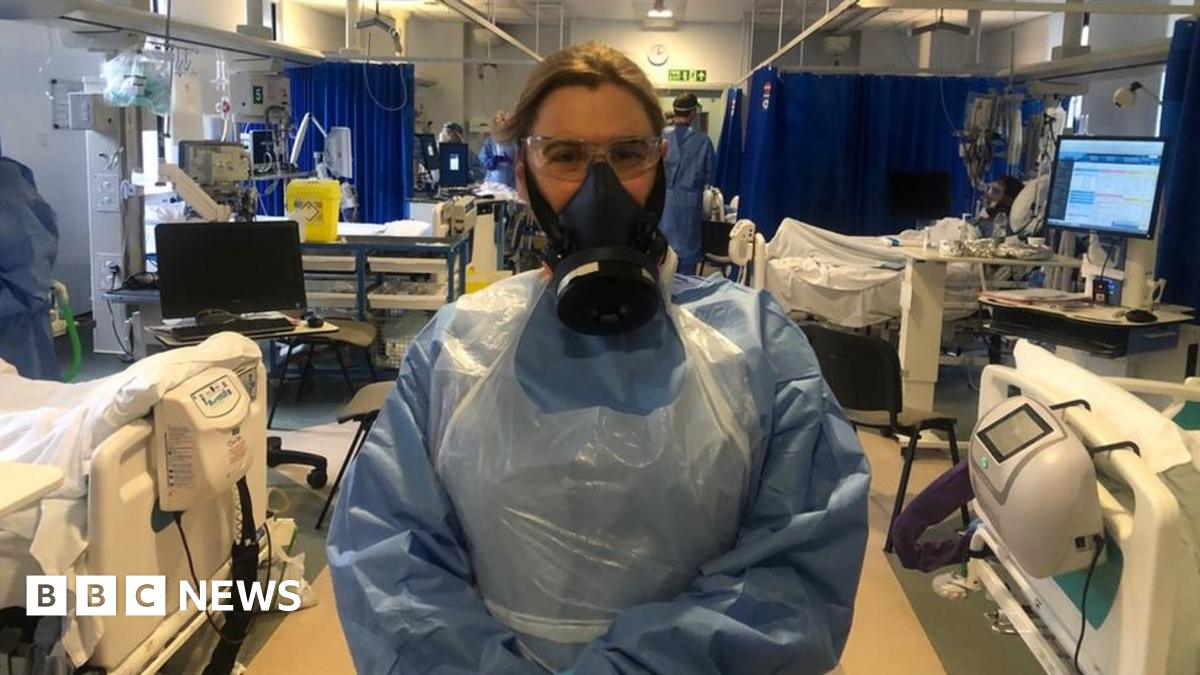
To reduce the spread of the virus through human contact you have to wear a surgically designed mask of the M95 variety but even then its difficult to stop the spread in many health settings , like hospitals , nursing homes , disability centres etc where close contact is required.
The predominately cotton masks we are being given to use because of the relatively low cost be they single use or disposable are of little or no use to either stop the spread once you have it and assist in your recovery in fact the evidence coming in is that regularly mask wear can have detrimental for your resp system , mental health , digestive system , and even your neurological system.
The ‘go to’ countries all recommend the wearing of face masks in
generally social enclosed or confined situations and especially when you are likely to be infectious yourself.
Sweden:
https://www.folkhalsomyndigheten.se...sweden/communicable-disease-control/covid-19/
Norway:
In situations where it is impossible to keep a distance of 1 metre from others, face masks are recommended as an additional measure to prevent infection from people with COVID-19 without symptoms.
www.fhi.no
Denmark:
When used correctly, wearing a face mask can supplement other infection prevention measure. Always carry a face mask and hand sanitiser with you, so you put one on when needed. And keep up to date on where you are required by law to wear a face mask or a visor.

www.sst.dk
Finland:

thl.fi
I would recommend you get rapid testing in work settings on a regular basis and use them in confined spaces if you suffer form bad breath other than that they are a waste of money.
Rapid tests are a waste of money? Why, it means the person doesn’t have to self-isolate as long - if negative?
Will be interesting once all is said and done if Sweden's liberal approach to heard immunity was the best response.
There deaths per capita is better than Belgium, U.K., Italy, Spain, but not France.
Also they are a very different country to the above. So you cannot compare directly.
There death rate has fallen significantly and if they closed their borders to over seas travellers and had of quarantined the sick and elderly especially in nursing homes from the outset they would likely to have numbers commensurate with Taiwan.
As with almost all Western European countries, the death rate in Sweden reduced up to the summer as cross country movement had effectively stopped. the recent increase in cases will be interesting to see the figures for deaths in about a month.
taiwan, NZ and other island nations (not U.K. ...) got it exactly right - lock your borders - they live normally, with full enforced quarantine for returnees.
Lockdowns don't work to reduce the numbers in the short , medium and longer term look at Peru.
Peru is very different (in many ways) to U.K. /some other European countries.
Generally South America is really bad, but you can’t compare to U.K.
The ‘worst’ country now and in 1st wave, is Belgium.
Once you open up it only means spikes and waves increase in intensity but maybe death rates reduce.
You have to have a contact tracing system that works to quarantine and isolate close contacts while letting the rest getting on with their lives its pretty simple.
Only of U.K. locks its borders for incoming foreigners, And any returnees are quarantined in set aside hotels.
You will always have outbreaks , the public service in many countries are pretty poor in responding to pandemics due to lack of financial risk and incentive for the them to excel in any health response.
Which would surely indicate that education, and obeying guidelines on reducing infection are the way forward?
The front liners do some great work but they are spreaders for obvious reasons and because they engage with family and community are the highest risk to the spread.
Which again indicates that the rest of the population should be doing as much as it can to stop the spread, so that they arent dying/collapsing themselves?
Dr John Wright and two consultants describe the immense pressure Bradford Royal Infirmary is coming under.

www.bbc.co.uk