I
I
inbetween
Guest
Sorry I added an extra zero by accident, I've checked again and the number is 1 in 4300, it's however impossible to catch COVID if no-one on the flight has COVID which is quite likely. Planes are actually one of the safest places, they have ventilation, hospital grade filtering and everyone is tested before the flight. It's not like planes have thousands of people coming and go'ing either. A flight is really a gathering of 20 tested people sat in a relatively socially distanced place with excellent ventilation.Good point. I guess I'm coming from the perspective that the last thing we want to do is impact people's freedom to meet up in this sort of way, whereas what I would see as much less impactful measures of the sort I was suggesting might give us a better chance of avoiding those sorts of restrictions.
More testing and support for people testing positive to isolate is another such measure, IMV.
Of course, what I think is less impactful might not be the same as what you think.
Do you have a source for that? It would depend on community prevalence.
I've seen research suggesting far higher, even pre-Delta. For instance:
" Among the 16 persons in whom SARS-CoV-2 infection was detected, 12 (75%) were passengers seated in business class along with the only symptomatic person (attack rate 62%). Seating proximity was strongly associated with increased infection risk"

Transmission of SARS-CoV 2 During Long-Haul Flight
Transmission of SARS-CoV-2 During Long Flightwwwnc.cdc.gov
There seems to be various dodgy stuff pushed by some airlines minimising the risks.
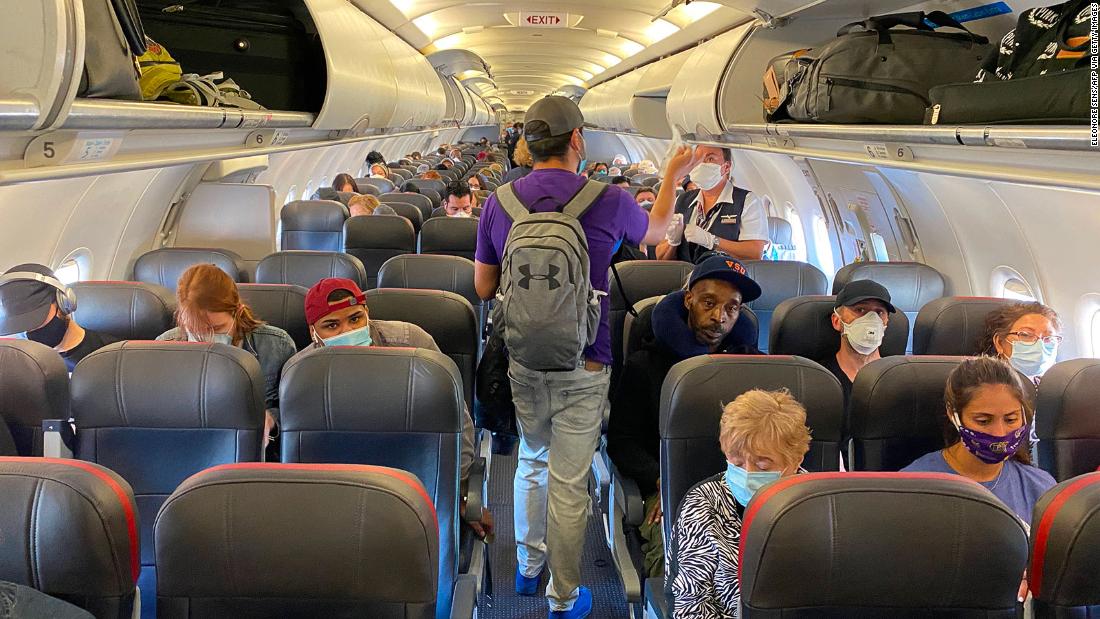
The odds of catching Covid-19 on an airplane are slimmer than you think, scientists say
According to a new study, the risk of contracting the virus on a full flight is just 1 in 4,300, and the odds lower to 1 in 7,700 if the airline is adopting the middle seat open policy.
 edition.cnn.com
The only scenario in which you can catch COVID on a plane is that scenario where someone else has got a false negative result or they've caught the virus within the 3 day period between doing the test and the flight. Couple this with your chances of being sat near that person... I reckon you're more likely to be hit by a meteorite.
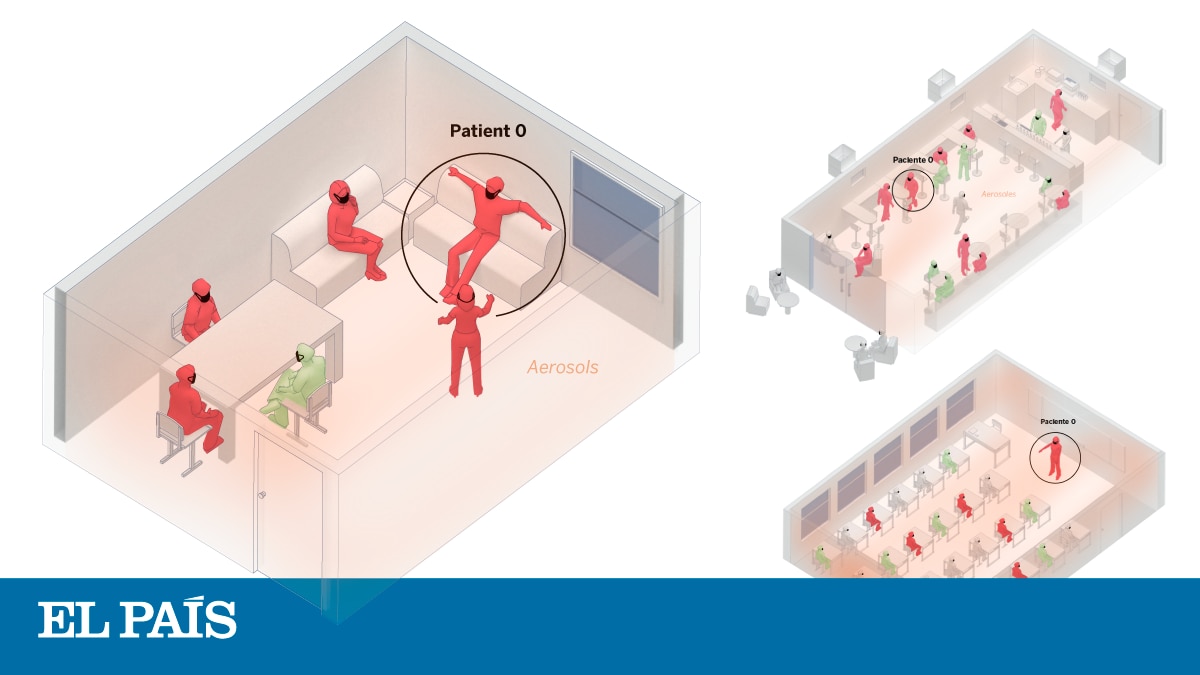
Flip this to the home scenario, no-one is tested before they go to someone's house, there is no social distancing, there is no ventilation and there are no masks. People also generally stay for long periods of time and they will hug, chat or whatever. Is it any surprise then that in reality this is the chief source of cases?
If we were so bothered about cases (I disagree that cases matter anyway) then we need to focus all measures unfortunately in homes and household contact. If the NHS is under the cosh over the winter then I'd start by restricting how many people can meet up in homes, or in the worst case stop them meeting at all.