hilts
Well-Known Member
Nurse Ratched awaits syringe in handView attachment 135069
That's definitely a woman.

Nurse Ratched awaits syringe in handView attachment 135069
Red vision and protectiveitis?You'd never take any medicine if you read all the leaflets about possible side-effects. I've got tablets for one condition and that condition is also one possible side-effect.
Yeah they would eat posher unhealthy food instead.May be ... just may be .... if people received a decent salary / level of benefits they wouldn't have to buy cheap crap food.
Because the drug was available from unlicensed and unmonitored 'Beauty Enhancement' shops as long as it could be paid for ... under this scheme it will be available on the NHS and administered bt trained professionals
 www.bloomberg.com
It’s not a return to austerity though because, er, Rachel Reeves says it isn’t.UK Ministers Protest Spending Cuts in Letters to Starmer
Senior ministers have written to Prime Minister Keir Starmer expressing their alarm at the scale of spending cuts that their departments face in the UK budget due in less than two weeks, people familiar with the matter said.
Senior UK ministers have written to Prime Minister Keir Starmer expressing their alarm at the scale of spending cuts that their departments face in the country’s Oct. 30 budget, people familiar with the matter said.
Multiple members of the premier’s cabinet have sent formal letters to the premier about cuts they’re being asked to make in the one-year departmental spending review to be announced alongside the budget, according to the people, who requested anonymity discussing behind-the-scenes communications. They spoke about the letters on the condition the departments involved weren’t identified.
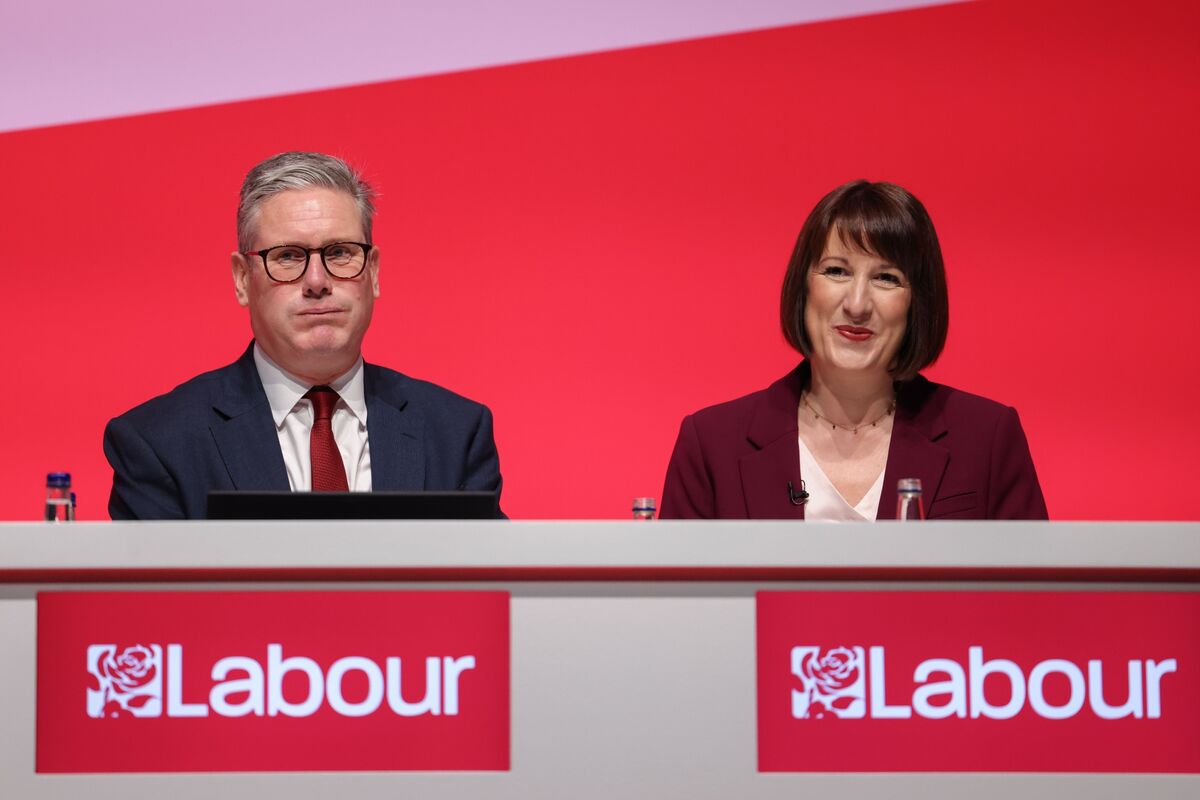
The unease at the top level of government highlights the political tightrope that Chancellor of the Exchequer Rachel Reevesis treading as she seeks to restore order to Britain’s public finances through a combination of taxes and spending cuts totaling £40 billion ($52 billion).
A Downing Street spokesperson said the exchanges are a standard part of the process, and that departments are spelling out their challenges and opportunities.
In the run-up to any budget, it’s normal for there to be verbal and written exchanges between ministers and the Treasury, as well as conversations within the cabinet. Nevertheless, taking the step of writing a formal letter to the prime minister is an escalation that underscores the strong misgivings that some members of the cabinet have about decisions they’re facing in their departments.
The ministers are concerned the cuts are not politically feasible, and that under current plans, the government will struggle to deliver election manifesto promises and meet the expectations of the Labour Party’s new voters, according to the people. They are particularly concerned about spending for the next year, they said.
Spending allocations for 2025-26 are particularly tight because Reeves wants space to comfortably meet her target of ensuring day-to-day spending is covered by tax revenues, after also filling a £22 billion fiscal black hole she says was left by her Tory predecessor, according to people familiar with the challenge.
One of them described the first year spending constraints as a nightmare which would improve in future years when there has been more time to raise revenue.
Reeves has already put plans for new rail links, roads and hospitals on ice as she seeks to restore order to the public finances, but the Labour government has also stressed the need for capital investment to stimulate growth. That leaves areas such as welfare and local government spending vulnerable to cuts.
Meanwhile with the National Health Service facing historically high waiting lists, courts facing lengthy backlogs and the government being forced to release prisoners early, there will be demands for increased spending on health care and the criminal justice system.
At a cabinet meeting on Tuesday, Starmer told his top team that the government in the budget would take “tough decisions so we can invest in the future,” according to an official readout. Reeves blamed the Conservatives for the inheritance and the difficult outlook, which meant there would have to be “difficult decisions on spending, welfare, and tax,” according to the readout.
Nevertheless, several cabinet ministers in their letters sought Starmer’s support to reverse some of the intended cuts, the people said. The displeasure has come from a broad range of ministers, rather than just those in charge of departments with the highest capital spending or from one faction of the party, they added.
Starmer and his chief of staff, Morgan McSweeney, held a meeting of political aides late Tuesday in No. 10, themed around how to frame the budget politically. They said it would be tough but that Labour needed to land the political argument about its purpose: investment.
Darren Jones, the chief secretary to the Treasury who has been personally involved in difficult negotiations with departments on their spending packages, also addressed aides, saying that the budget offered the opportunity to reset after a difficult first 100 days in government. But others in government are concerned that that the budget will only make their political situation harder, the people said.
It’s not a return to austerity though because, er, Rachel Reeves says it isn’t.
all the same? read the thread
Or we check the evidence from trials:
"This is for people with serious mental health problems," she said. "And the results of getting people into work have been dramatic, and the evidence clearly shows that it is better for their mental health."
all the same? read the thread
I'd take down her particulars anytime!have the Met taken Taylor Swift in for questioning yet?
Some people are just too lazy to do either I'm affraid and the numbers are rising. Hence the huge rise in fast food places. You also only have to look at the baking stuff in supermarkets, the amount and selection is tiny compared with 30 years ago. Then look at the ready meals and crisp sections which are now enormous. More people are just lazy these days.It’s almost as if they’ve never been taught to budget or cook.
The grown ups have said the trials have produced " dramatic results" isn't that enough?It would be helpful to see the evidence rather than them just saying it.
It’s partially laziness, partially being time poor and partially ignorance.Some people are just too lazy to do either I'm affraid and the numbers are rising. Hence the huge rise in fast food places. You also only have to look at the baking stuff in supermarkets, the amount and selection is tiny compared with 30 years ago. Then look at the ready meals and crisp sections which are now enormous. More people are just lazy these days.
Time poor??It’s partially laziness, partially being time poor and partially ignorance.
Don’t have time to cook do use fast food?Time poor??